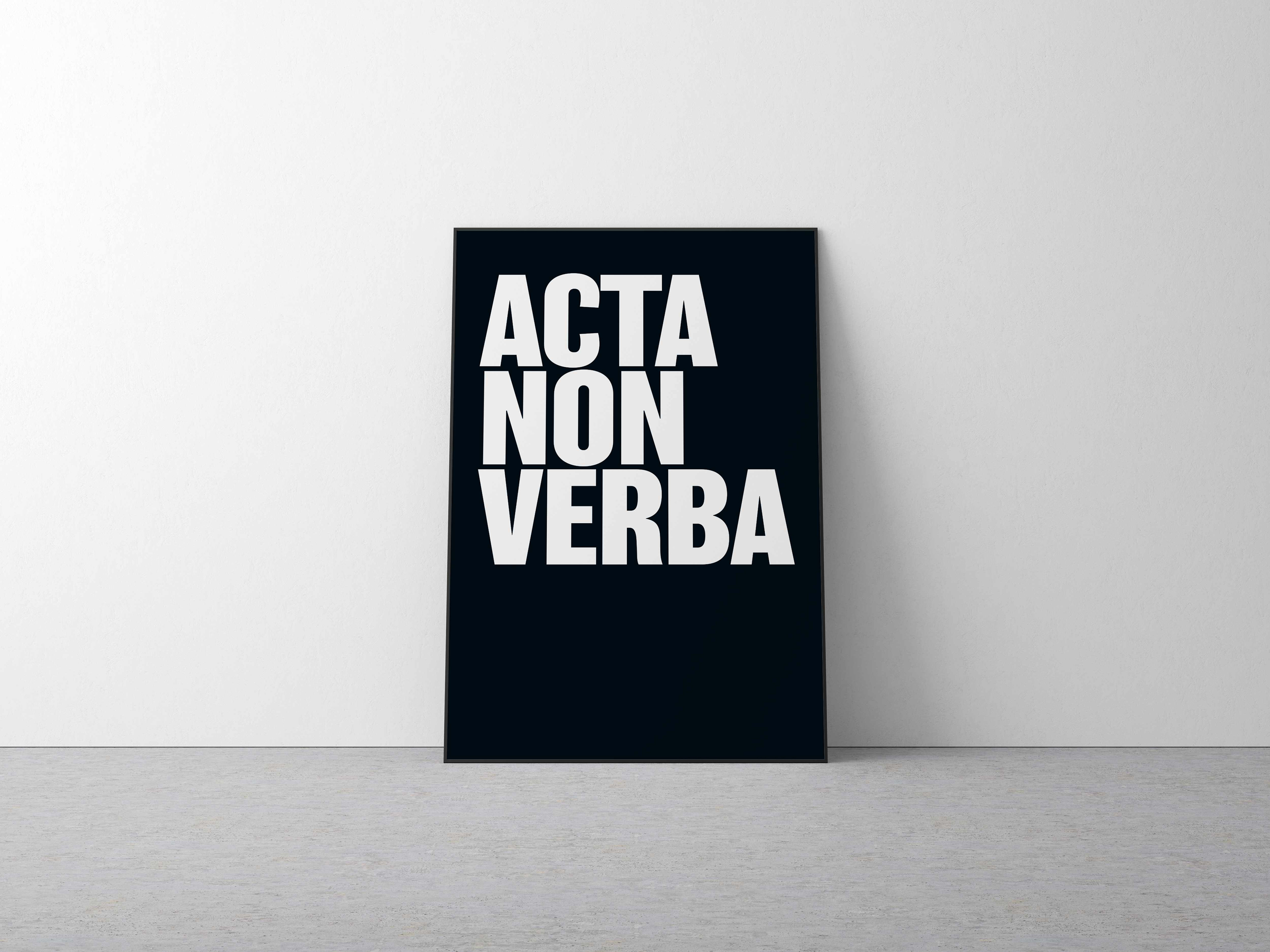
Literally, ‘actions not words’, this is a classical Latin maxim and Stoic motto. It says your behaviour is what really matters. Your character is measured by what you do, not what you say.

This is the Stoic idea of accepting your fate. Amor Fati means 'Love of Fate'. The German philosopher Friedrich Nietzsche said it was the key to human greatness. Don’t try to fight reality. Accept what comes your way, the good and the bad. Everything that happens helps you grow. Even suffering and loss are ultimately for the best.
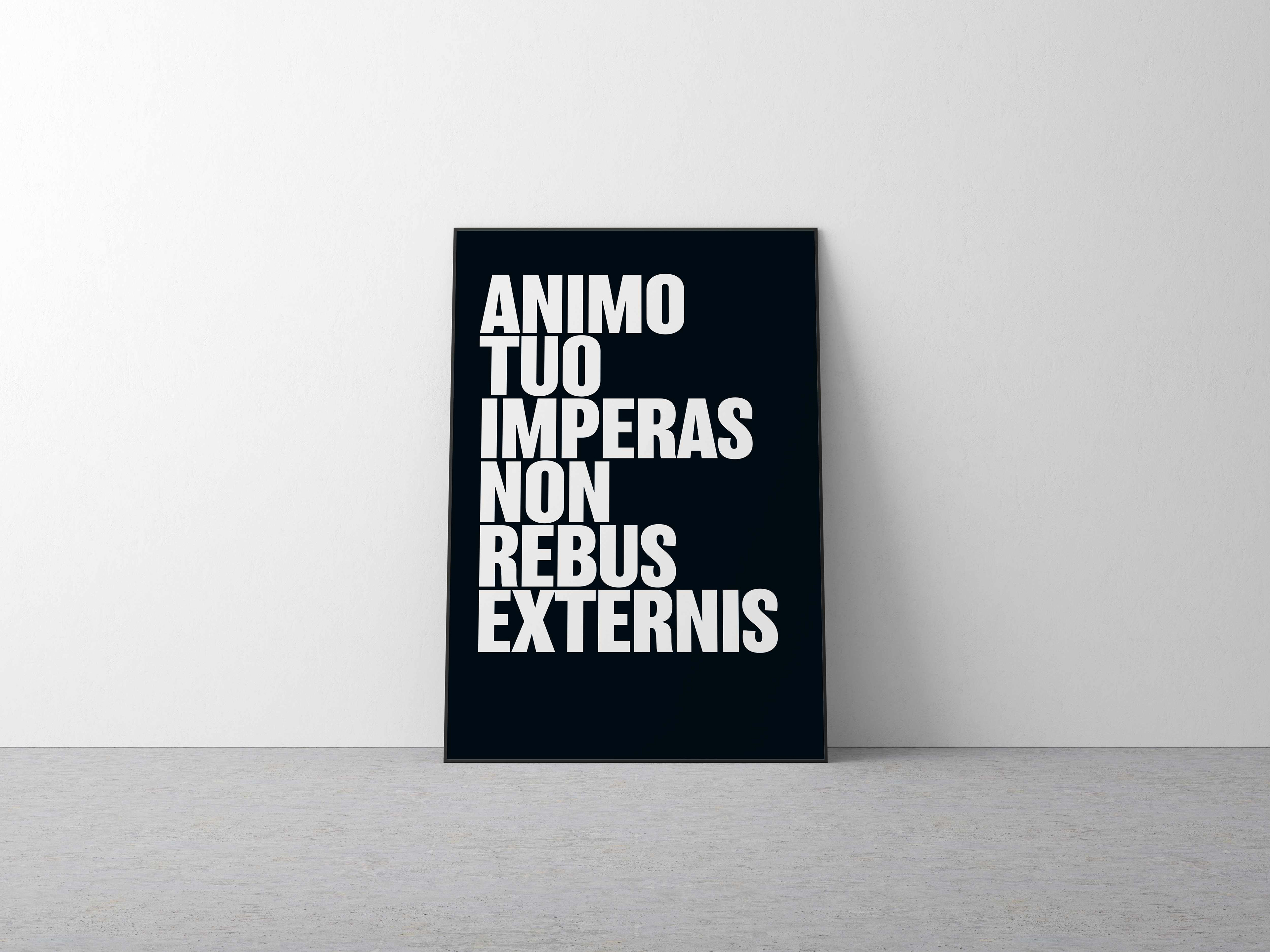
The Latin translates as 'You have power over your mind, but not external things'. This is a key concept in Stoic philosophy. Your mind is your own, and you can control your thoughts and feelings. But you have no power over external events and other people’s actions. So let all that go.

The famous phrase ‘carpe diem’ literally means ‘pluck the day’ – not just seize it, but make use of it and enjoy it. It was the ancient Roman equivalent of ‘Just do it’. The phrase first appears in a poem by Horace written 2000 years ago. He goes on to say ‘quam minimum credula postero’ – which means have very little faith in tomorrow.
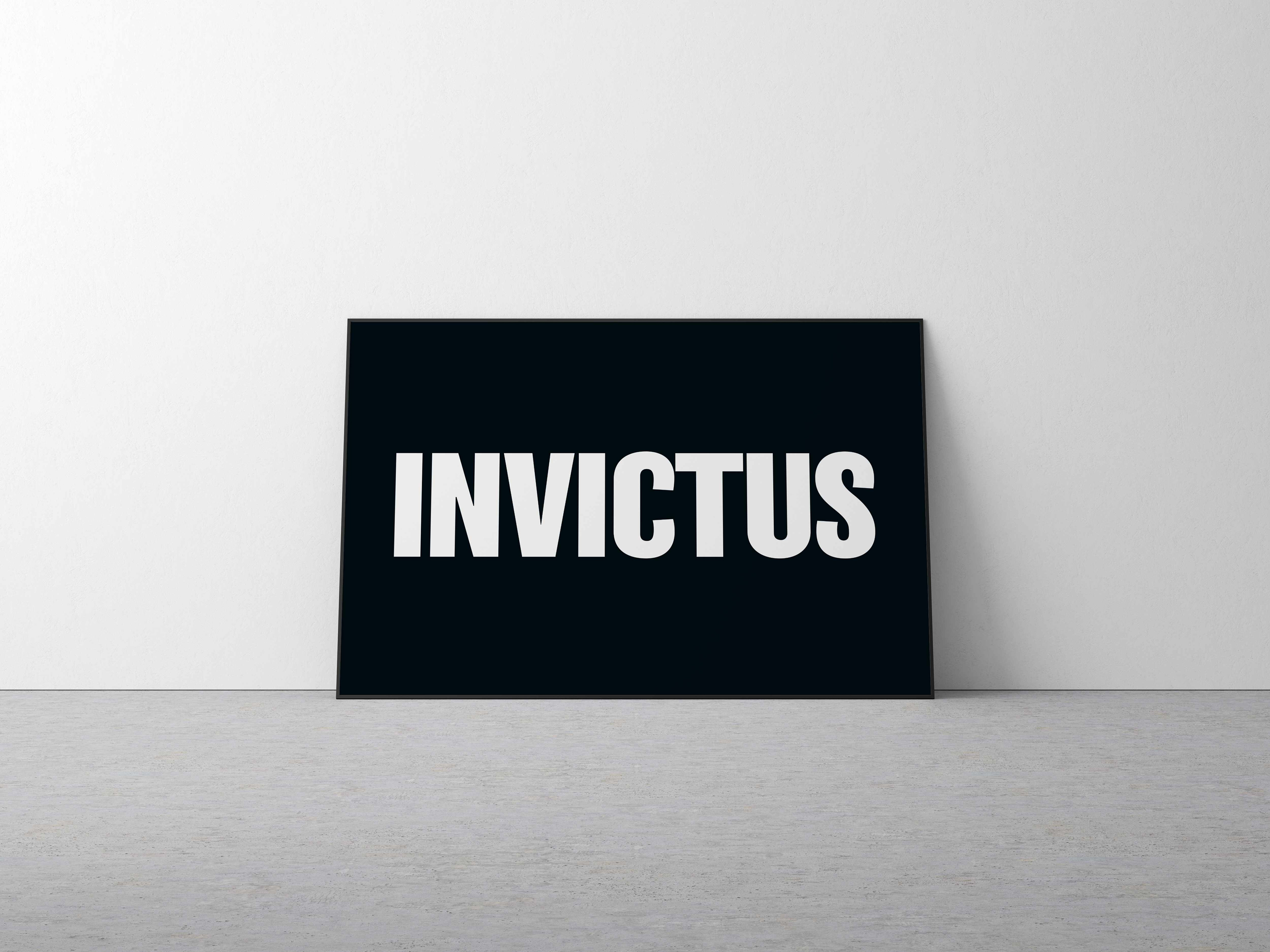
The power of the word ‘Invictus’ (Undefeated) dates back to ancient Rome. It was used as a title for the gods, especially Jupiter, and for gladiators and generals who were undefeated in battle. The English poet William Ernest Henley wrote the famous poem ‘Invictus’ while recovering in hospital from having his leg amputated. He had an extremely painful life from a teenager onwards, due to tuberculosis of the bones. But he refused to be defeated by the disease.
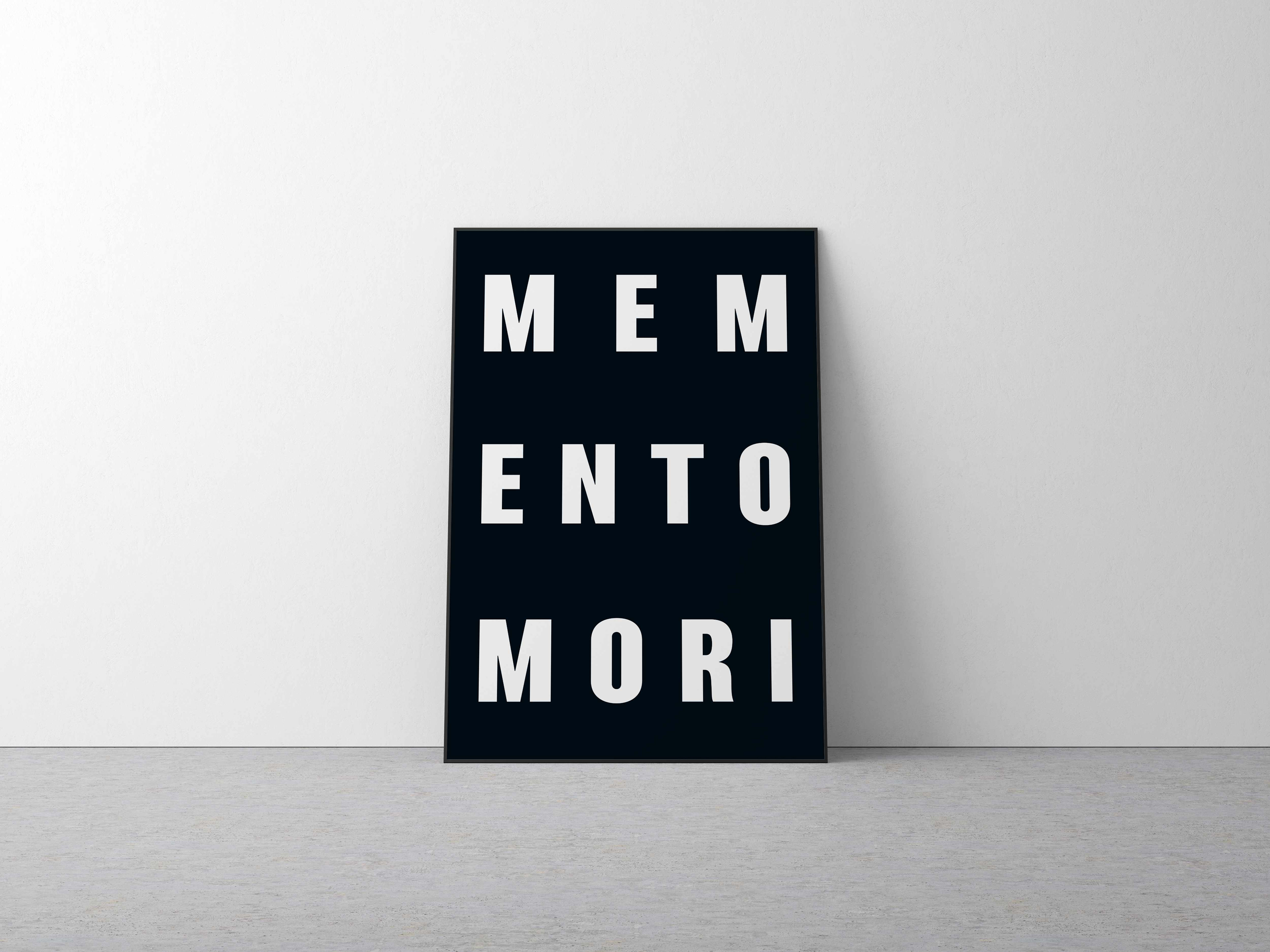
When a victorious Roman general rode through cheering crowds in his chariot, he would have a slave behind him, whose job was to keep him humble by reminding him of his mortality. The slave would whisper in the general's ear, ‘Memento mori’ – which means 'remember you will die'. The phrase was also used by Stoics as a reminder to live well and not waste time. The contemplation of death gives you perspective.
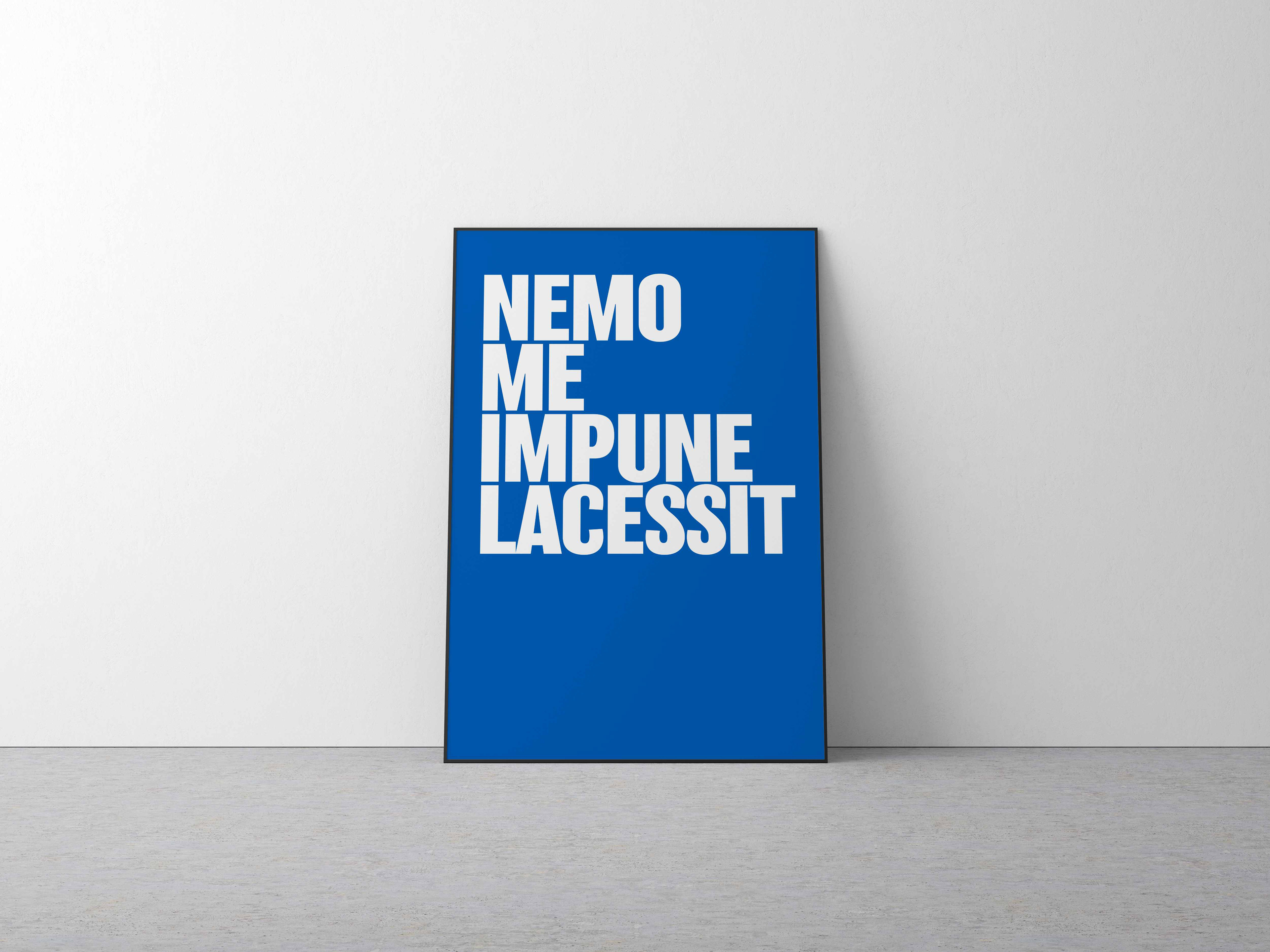
The Latin means 'No one provokes me with impunity.' Or in plain Scottish, ‘Don’t mess with me'. This is the national motto of Scotland, of three Scottish regiments of the British Army, and of the Order of the Thistle. The phrase may have originally been to do with thistles, which are famously painful to tread on. It dates back at least to the reign of James VI, who had it minted on coins in the sixteenth century.
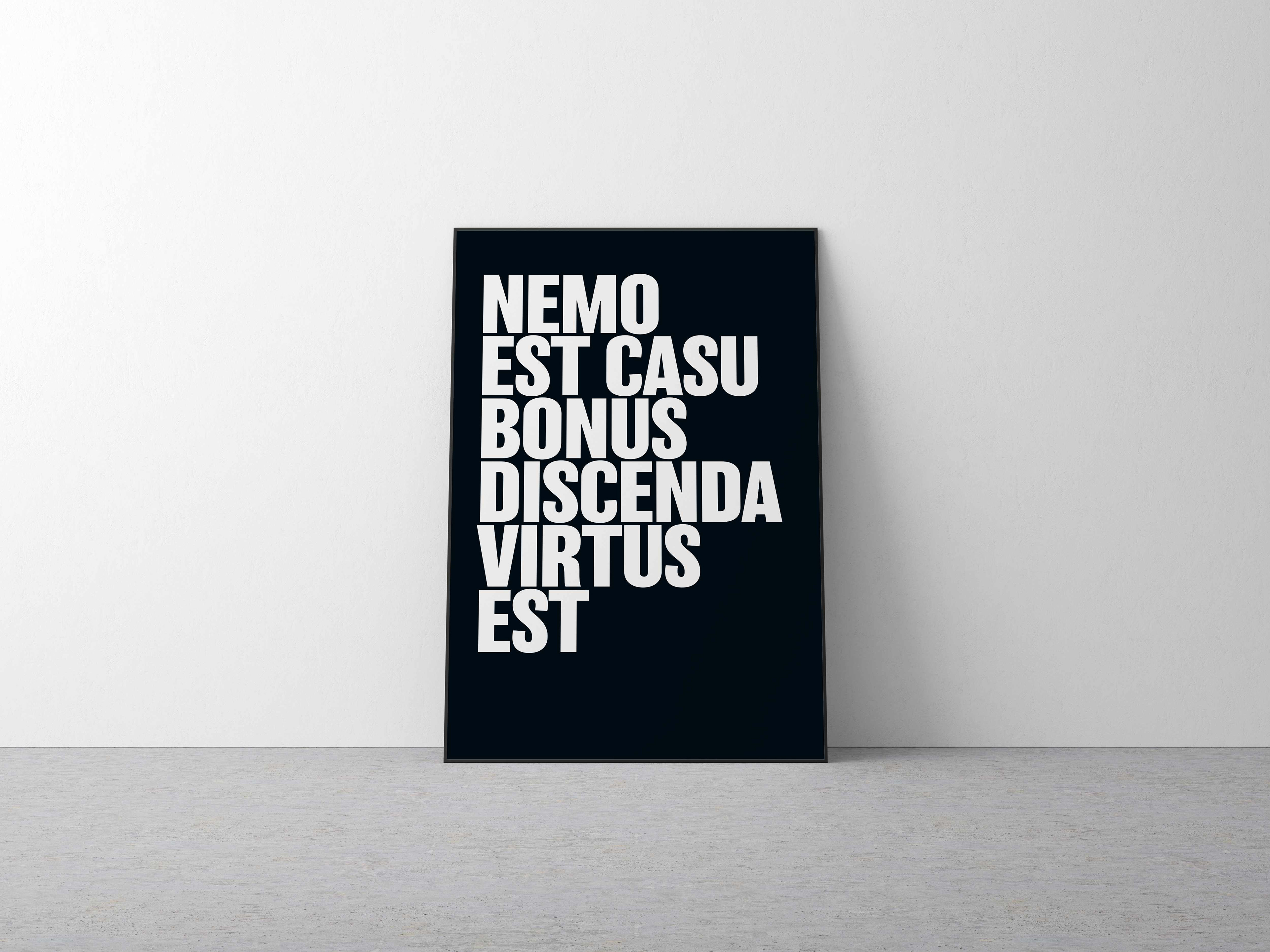
'No man is good by chance. Virtue must be learned.' This is from a letter written by the Roman writer Seneca to his friend Lucilius. Seneca was a follower of Stoic philosophy, which says you need to work on yourself in order to lead a good life. It takes continual self-improvement, discipline, practice, repetition.
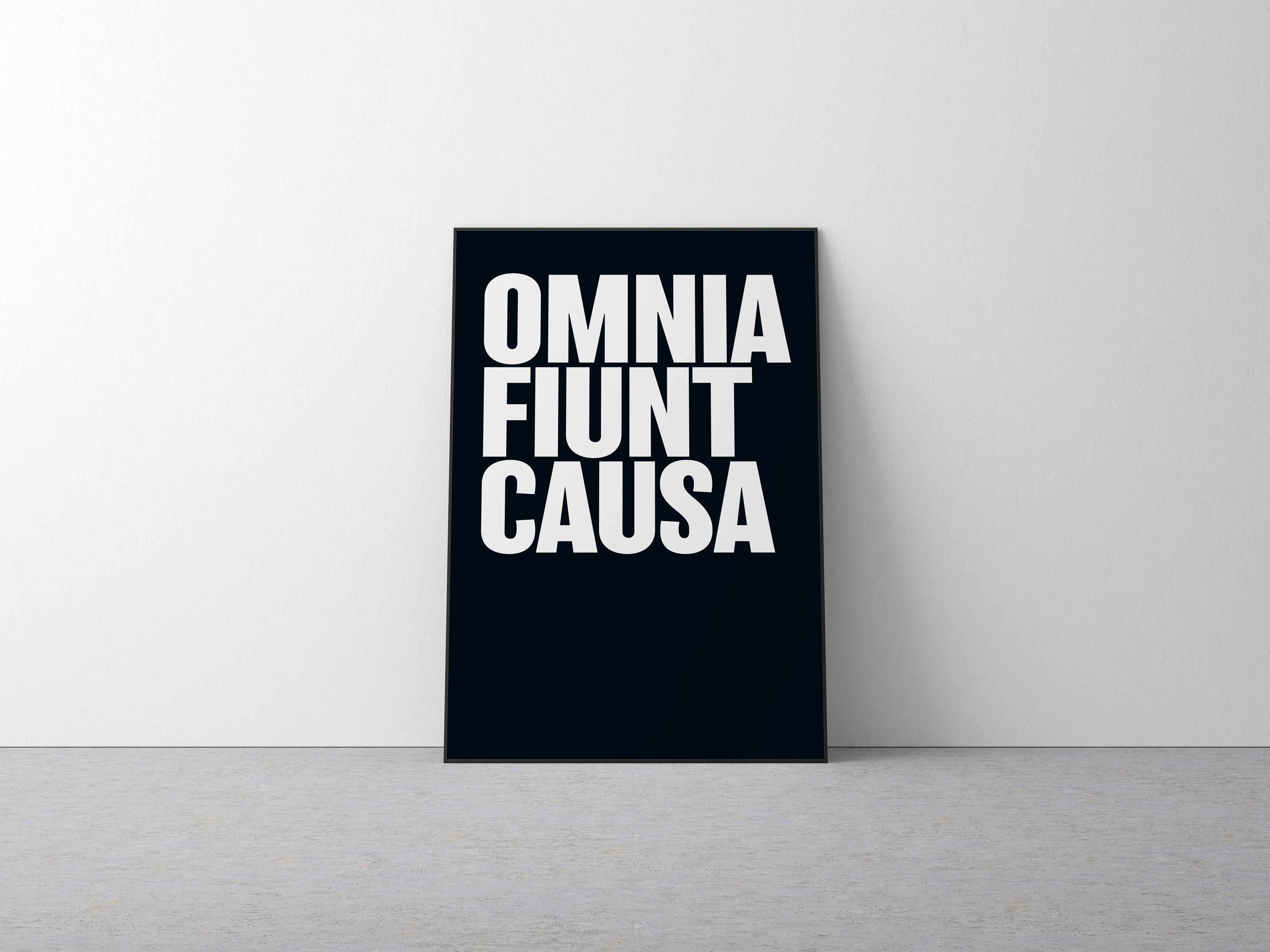
This is a modern Latin maxim. The idea that everything (omnia) happens (fiunt) for a reason (causa) reflects ancient Stoic views about fate. The meaning of an event may only become clear in hindsight, but everything that happens to you has a purpose.
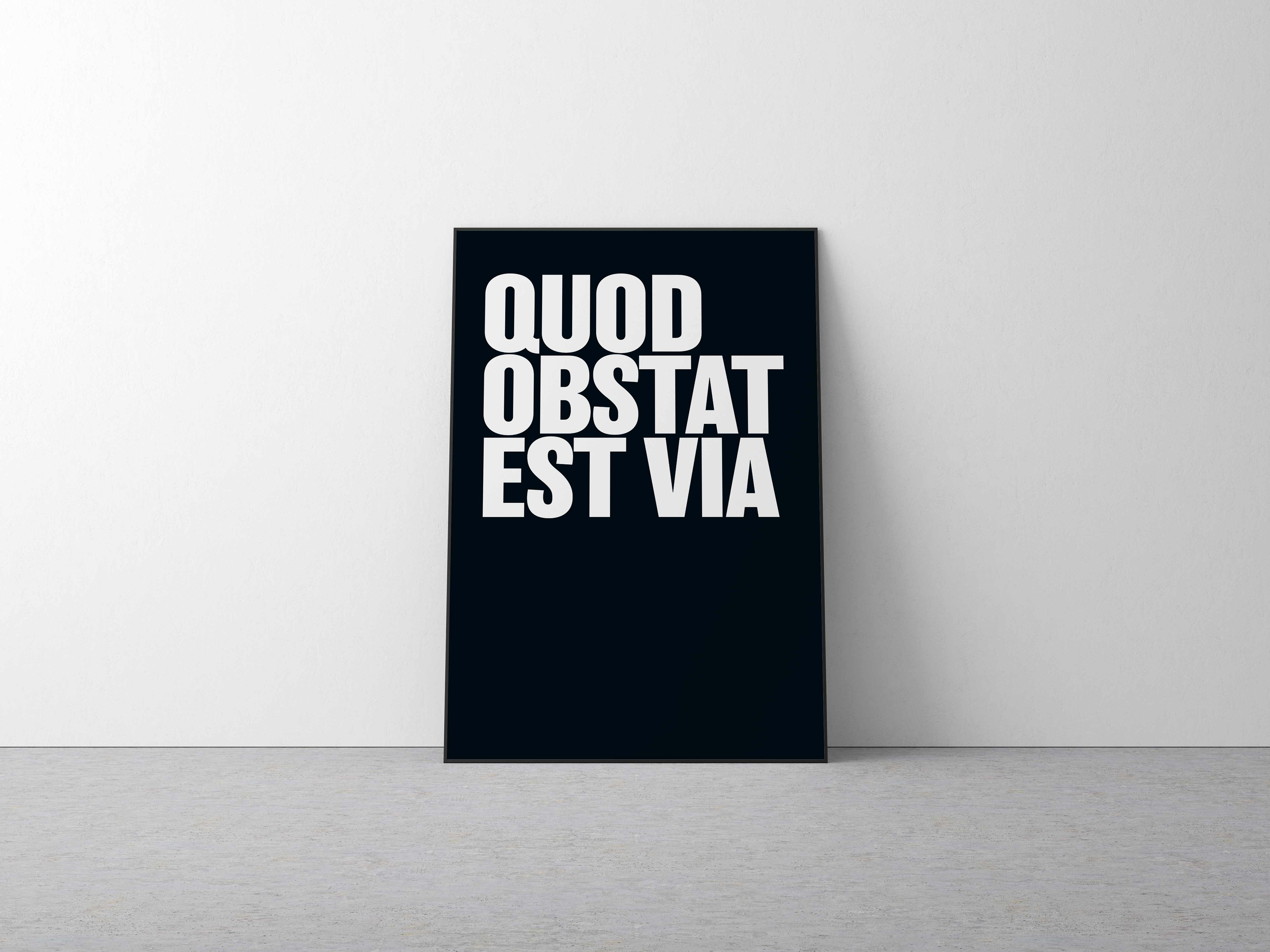
'The obstacle is the way’ comes from Roman Emperor and Stoic philosopher Marcus Aurelius, who believed the difficulties you meet in life are not barriers to progress, but the path towards it. In order to move forward, you must go through them. The author Ryan Holiday made this idea the title of a bestselling guide to applying Stoic principles to modern life. The translation into Latin is ours: Quod (the thing which) Obstat (stands against) Est (is) Via (the way).
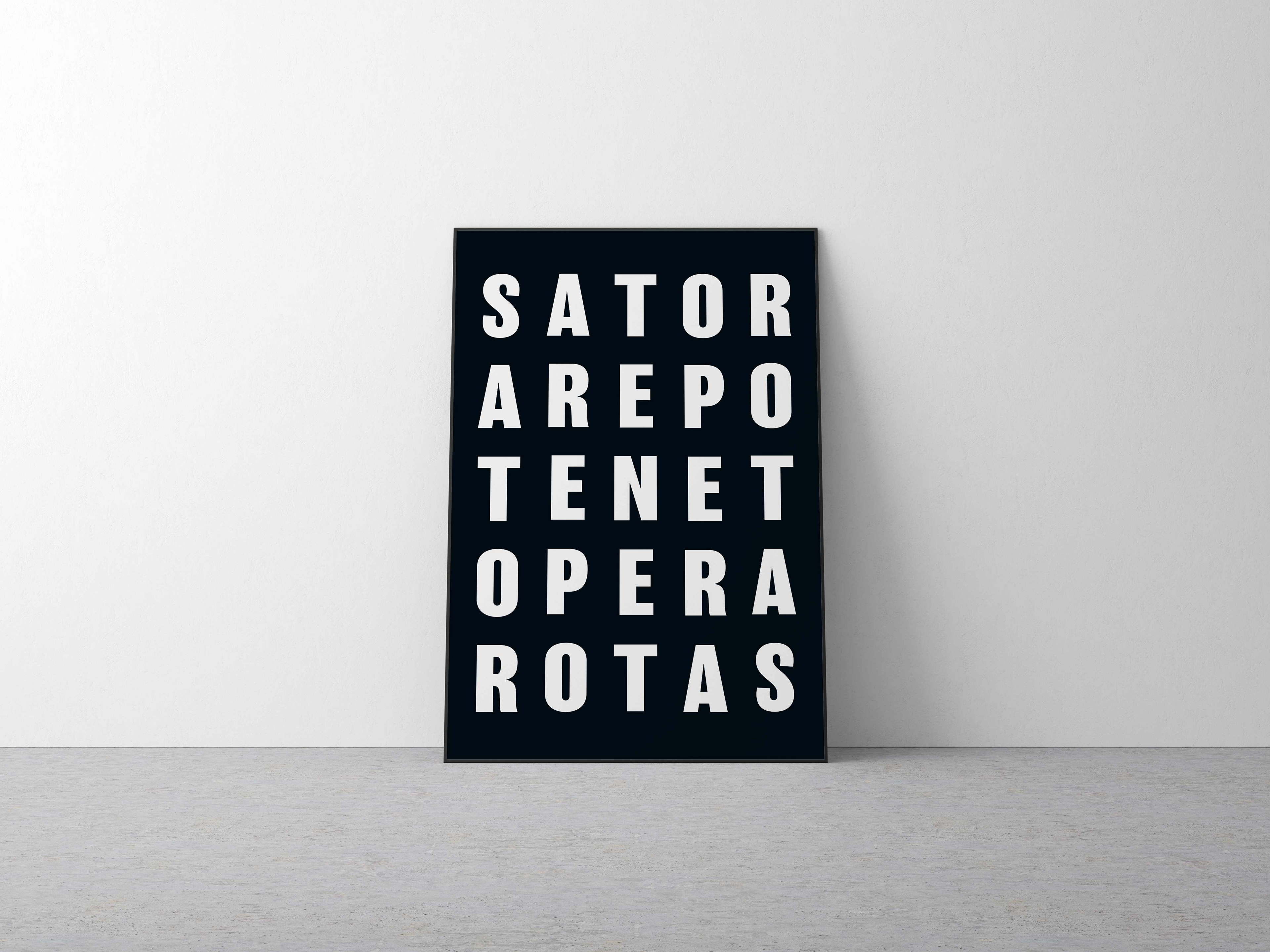
The mysterious Sator Square reads the same forwards, backwards, up, and down. Early versions were found in the ruins of Pompeii. A literal translation is ‘the sower Arepo guides the wheels with care' – but the square is thought to have a deeper meaning. In the Middle Ages, people used its magical geometry to ward off evil and disease, and early Christians discovered hidden codes in the letters. The mystery has yet to be solved.
'Always faithful.’ The official motto of the United States Marine Corps. Often shortened to ‘Semper fi’, it’s about loyalty to the country, the Corps and to fellow marines – a lifelong bond that is unbreakable. Once a Marine, always a Marine.
This the motto of the UK's elite Parachute Regiment. It means 'Ready for anything'. British paratroopers are among the toughest and most highly trained soldiers in the world. A battalion of the regiment is always on standby, ready to deploy to any trouble spot, anywhere, at short notice.
This means 'He conquers who conquers himself’, and it's one of the fundamental lessons of Stoic philosophy. The hardest and most important victories are internal – self-discipline, self-control, mastery of one's own mind and emotions. The value of these far outweighs any external success.