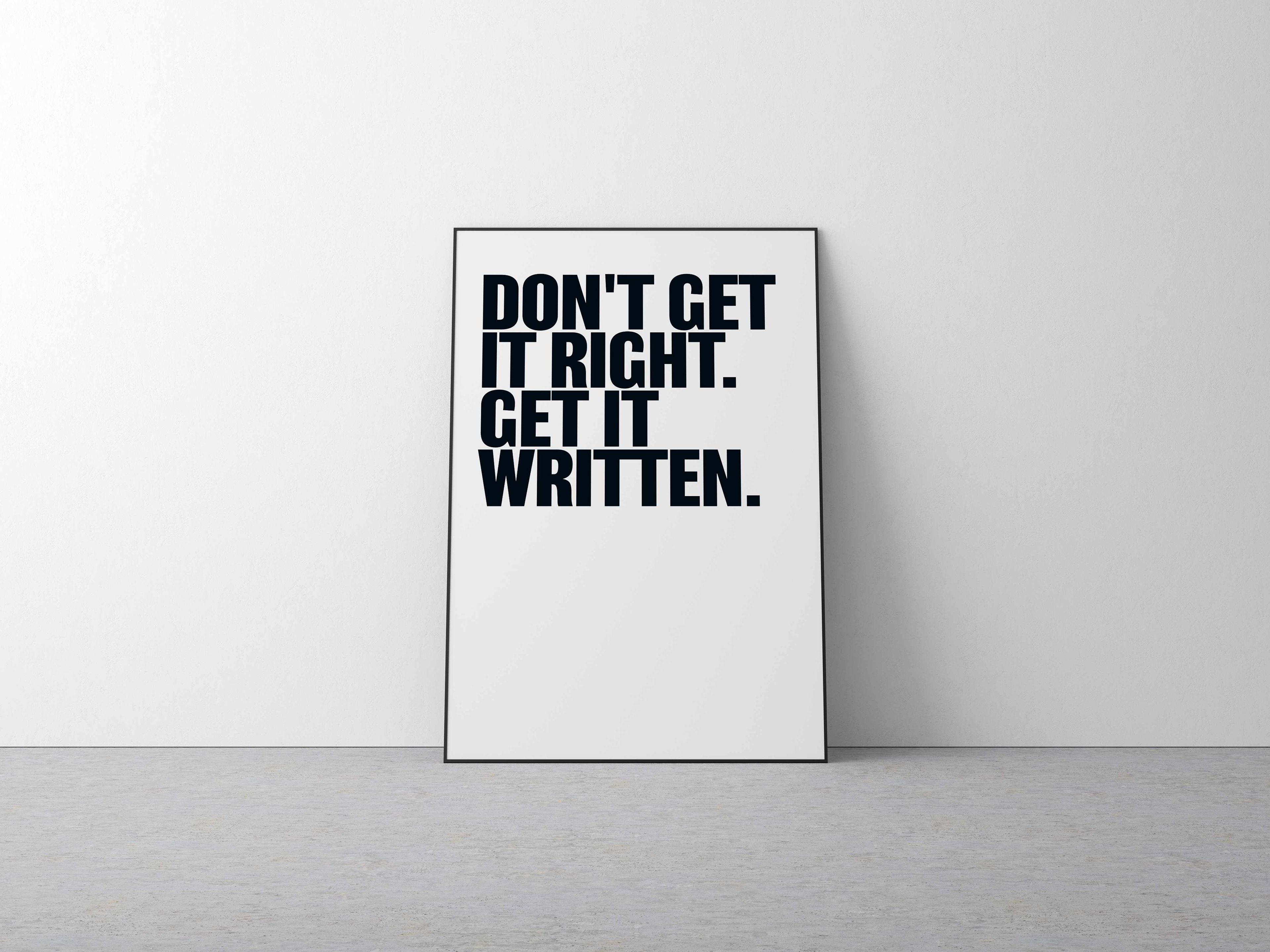
This is a famous writing maxim from the American humorist James Thurber. Lee Child has the same philosophy. In the first phase of writing anything, the most important thing is to get the words down. Don’t worry about fact checking or grammar or making sure every scene works perfectly, just get it down. You can edit and polish later.
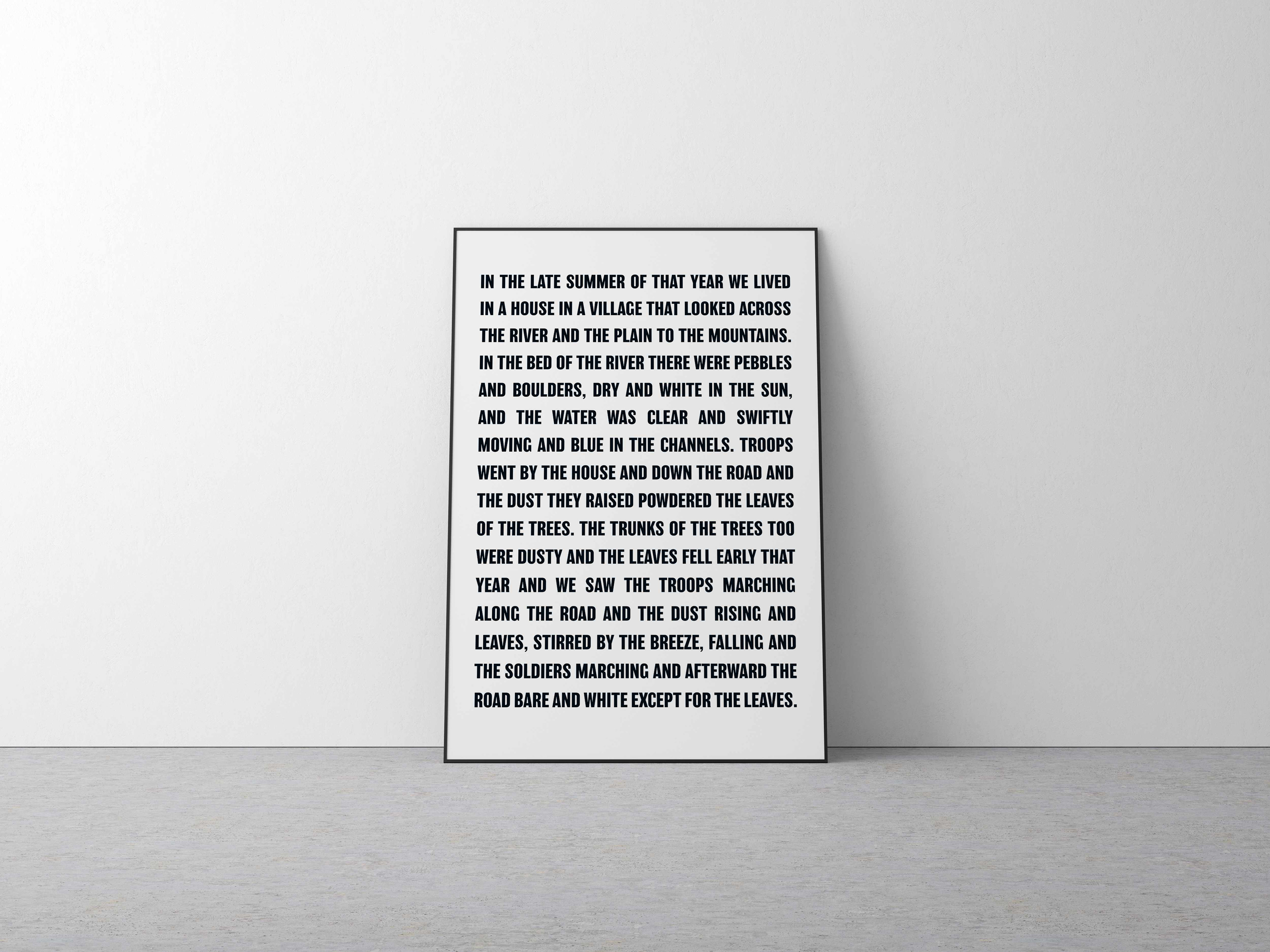
The opening paragraph of A Farewell to Arms. Joan Didion described it as ‘mysterious and thrilling’ and said it inspired her to become a writer, when she was 12 or 13. She observed something extraordinary about the writing. Out of 126 words: ‘Only one of the words has three syllables. Twenty-two have two. The other hundred and three have one.’
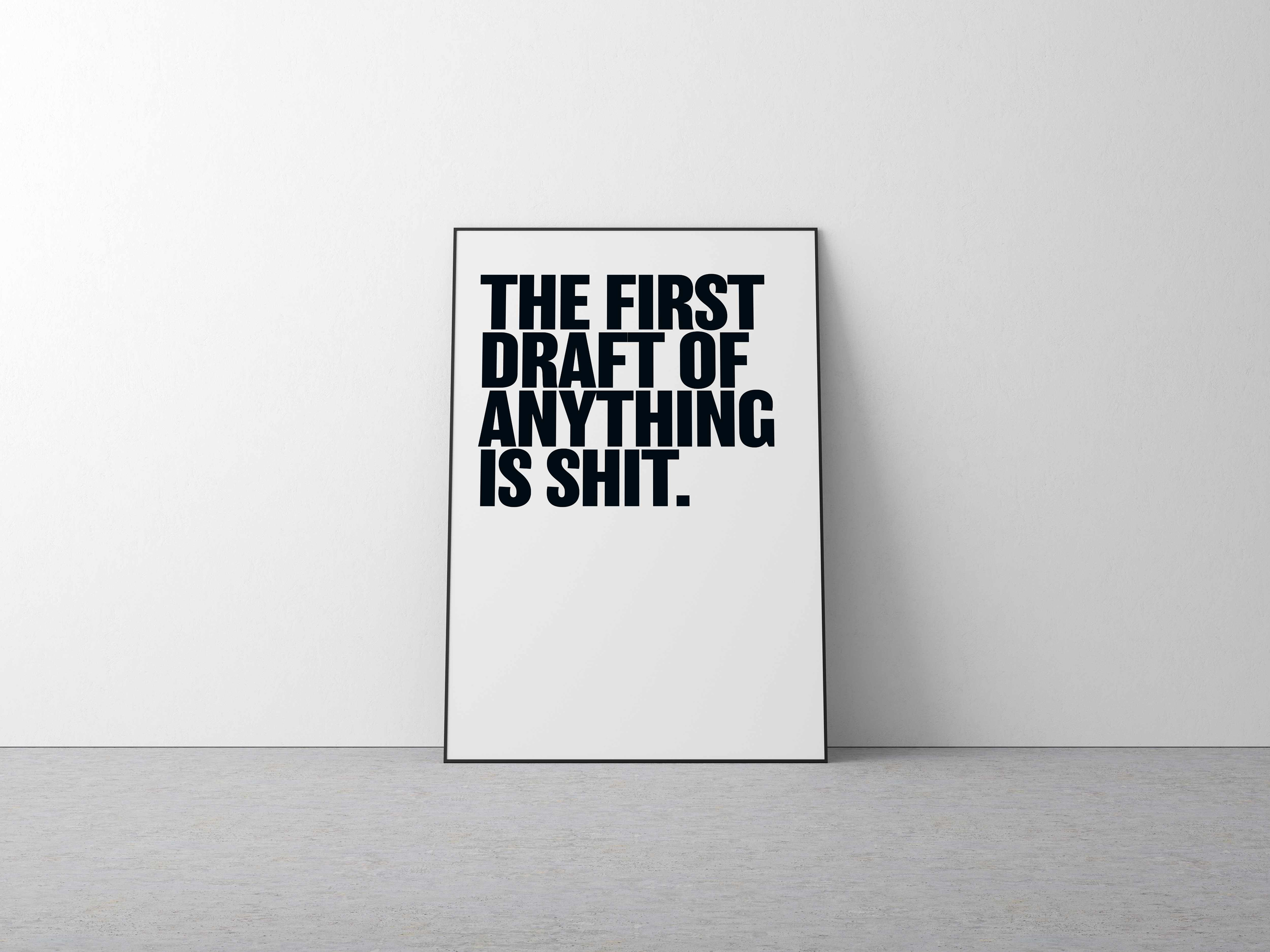
Advice Hemingway gave a would-be writer who sought him out in Key West. He said, 'Don’t get discouraged because there’s a lot of mechanical work to writing. I rewrote the first part of A Farewell to Arms at least fifty times. You’ve got to work it over. The first draft of anything is shit.’ Writing to F. Scott Fitzgerald, he said something similar: 'I write one page of masterpiece to ninety one pages of shit.'
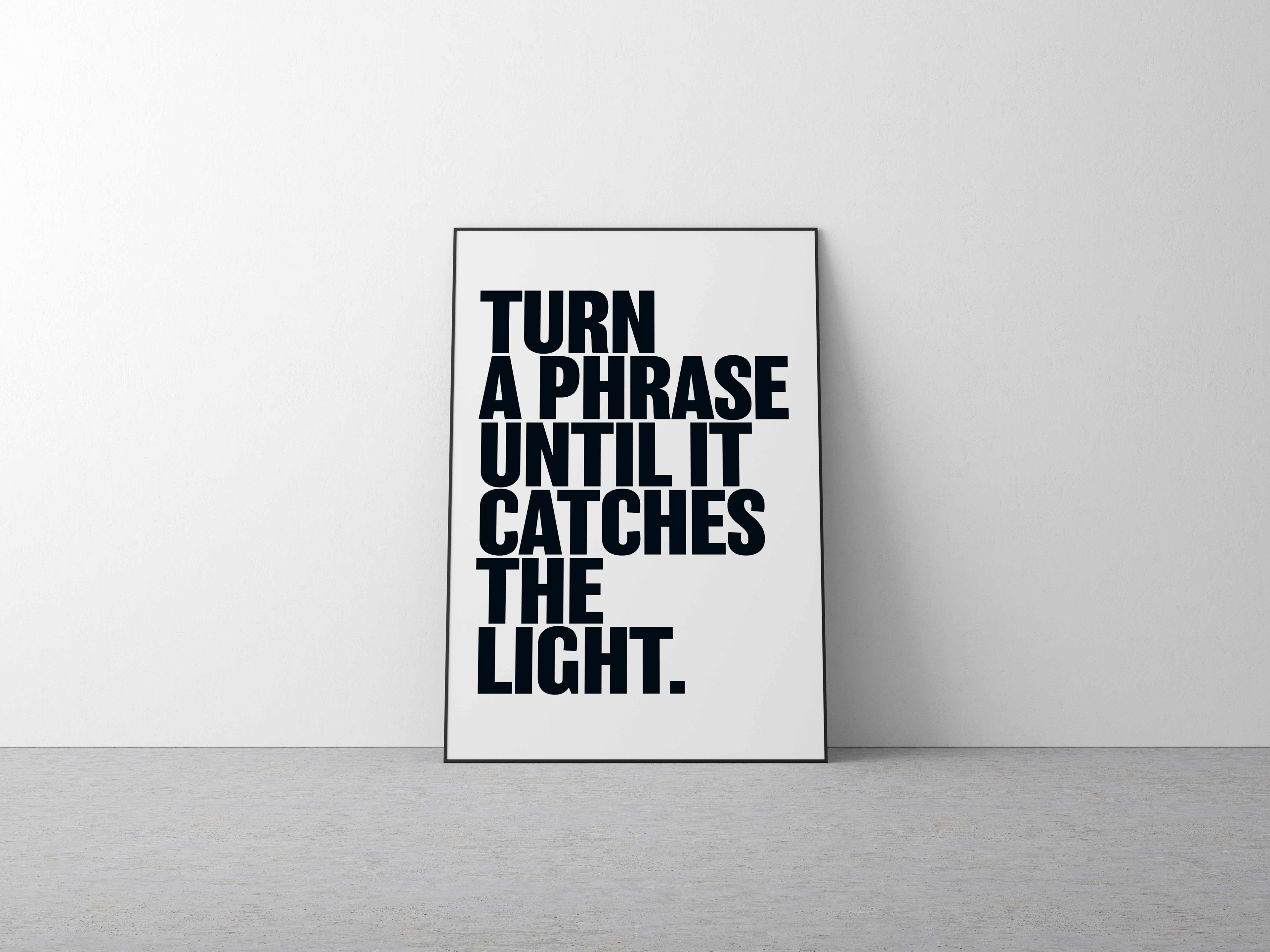
This comes from writer Clive James. In typically witty style, he wrote, 'All I can do is turn a phrase until it catches the light.' The remark appears in May Week Was In June, the third volume of his autobiography after Unreliable Memoirs and Falling Towards England. It was published in 1990.
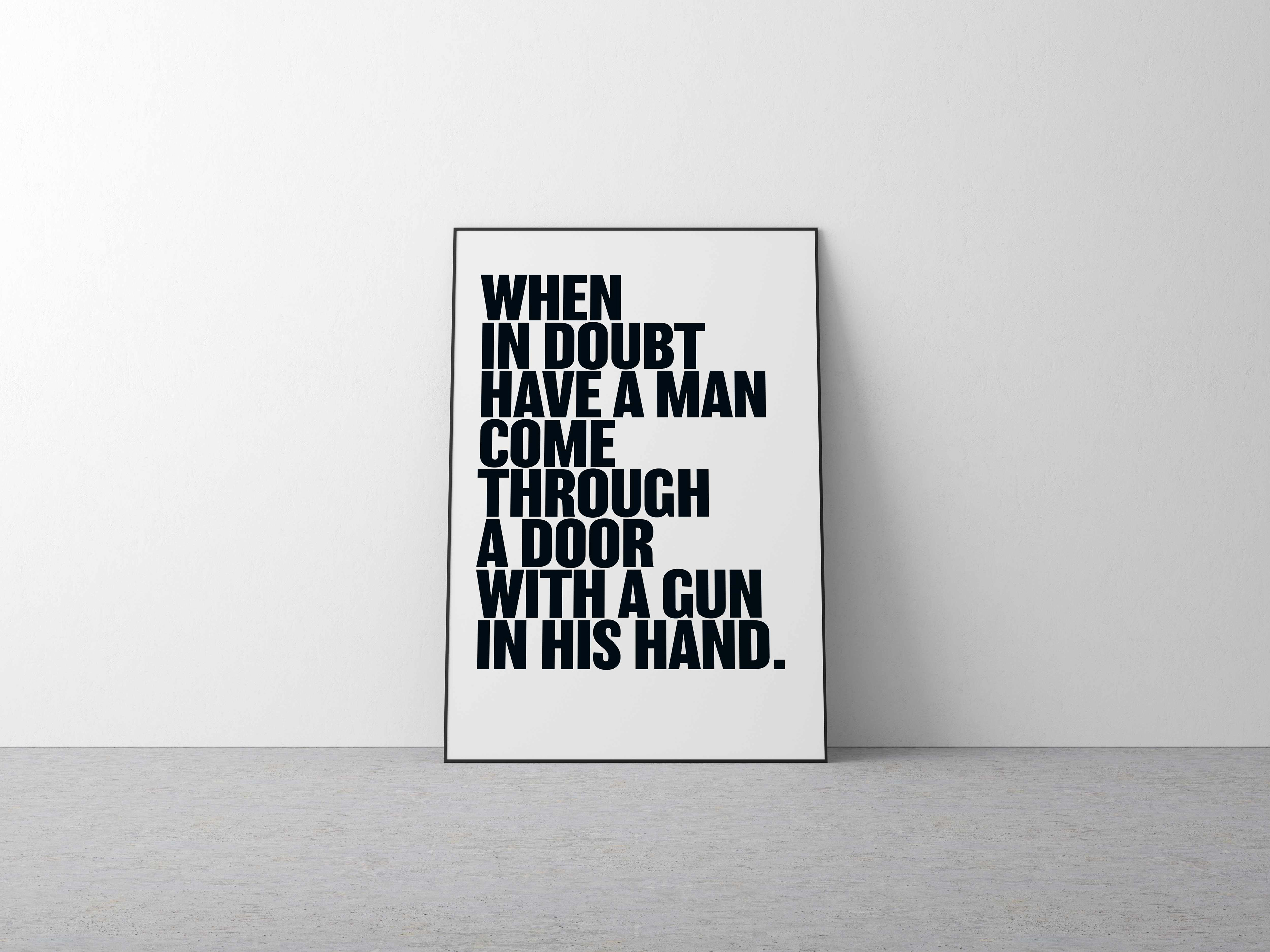
Raymond Chandler’s reflection on writing for pulp magazines, where the demand was for constant action. Chandler created the private detective Philip Marlowe. He and Dashiell Hammett were the godfathers of hardboiled American crime writing. They moved detective fiction on from cosy whodunnits to cynical, violent thrillers.
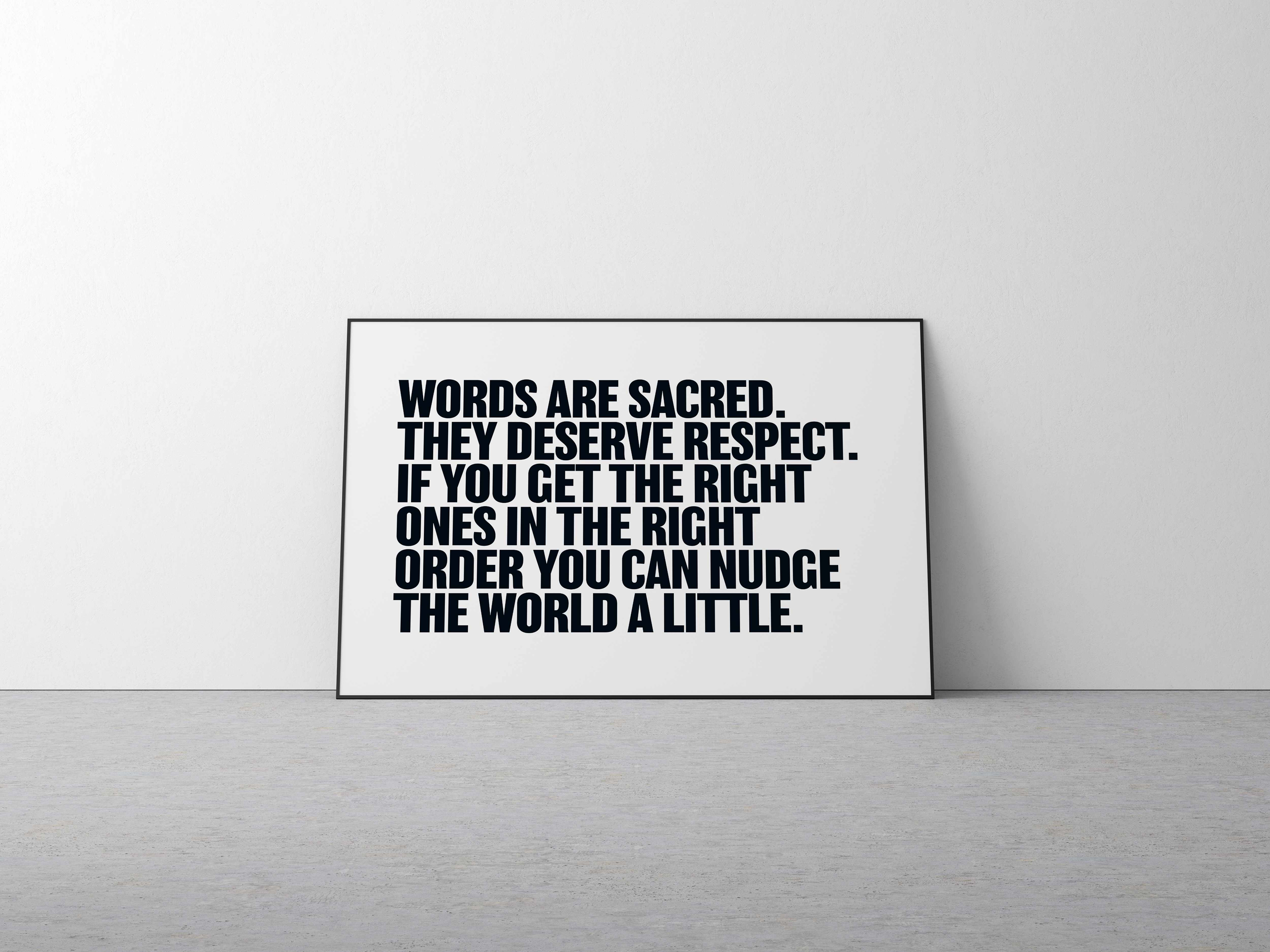
Tom Stoppard on writing, from his 1982 play, The Real Thing. The character Henry actually says, ‘I don't think writers are sacred, but words are. They deserve respect. If you get the right ones in the right order, you might nudge the world a little or make a poem that children will speak for you when you are dead.’
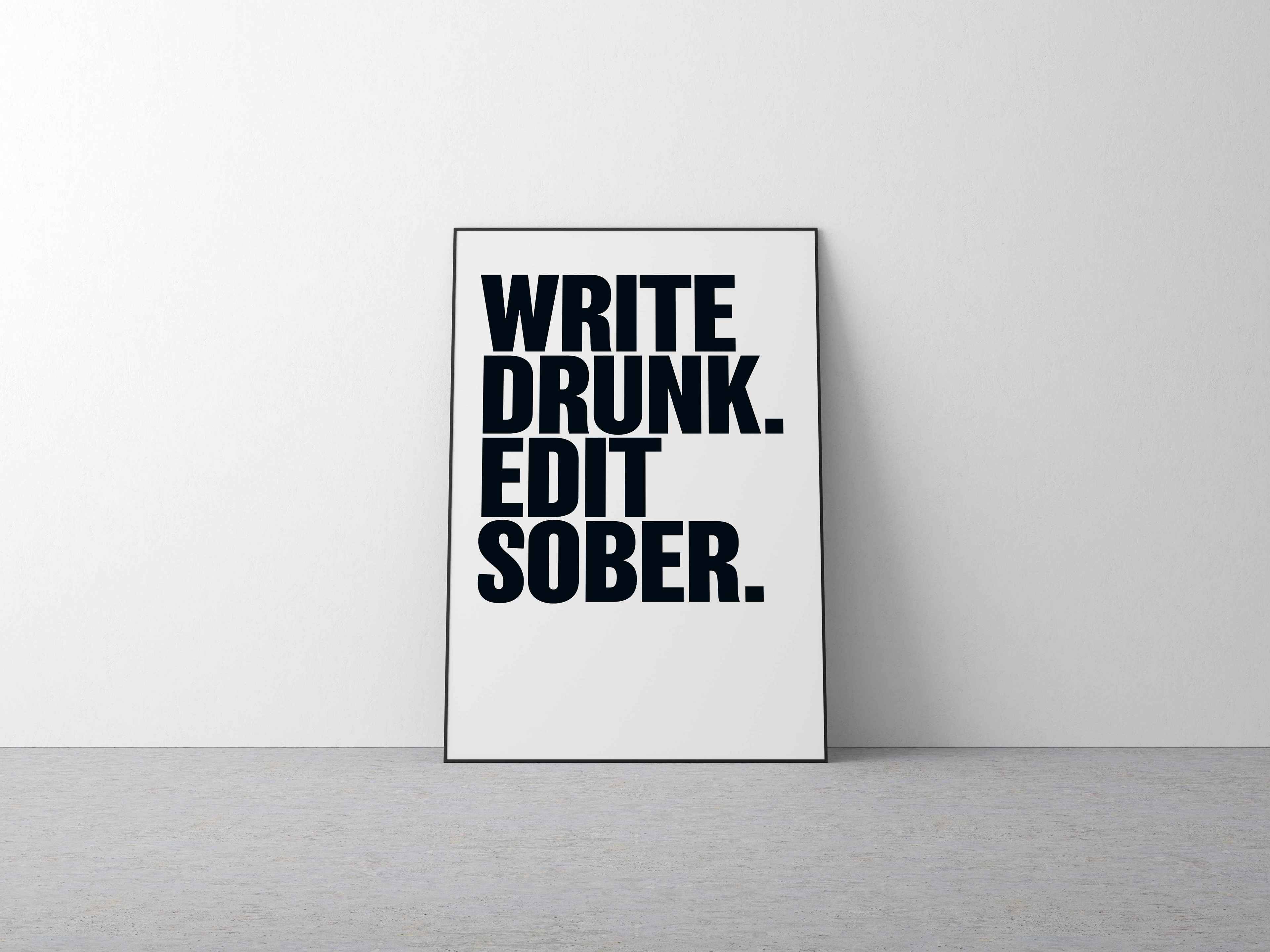
Afamous saying about writing, often attributed to Ernest Hemingway. Although he never said it, and always wrote sober. The idea is, go wild when you write your first draft. Have a drink if it helps unleash your creativity. Remember, you can tidy up later.
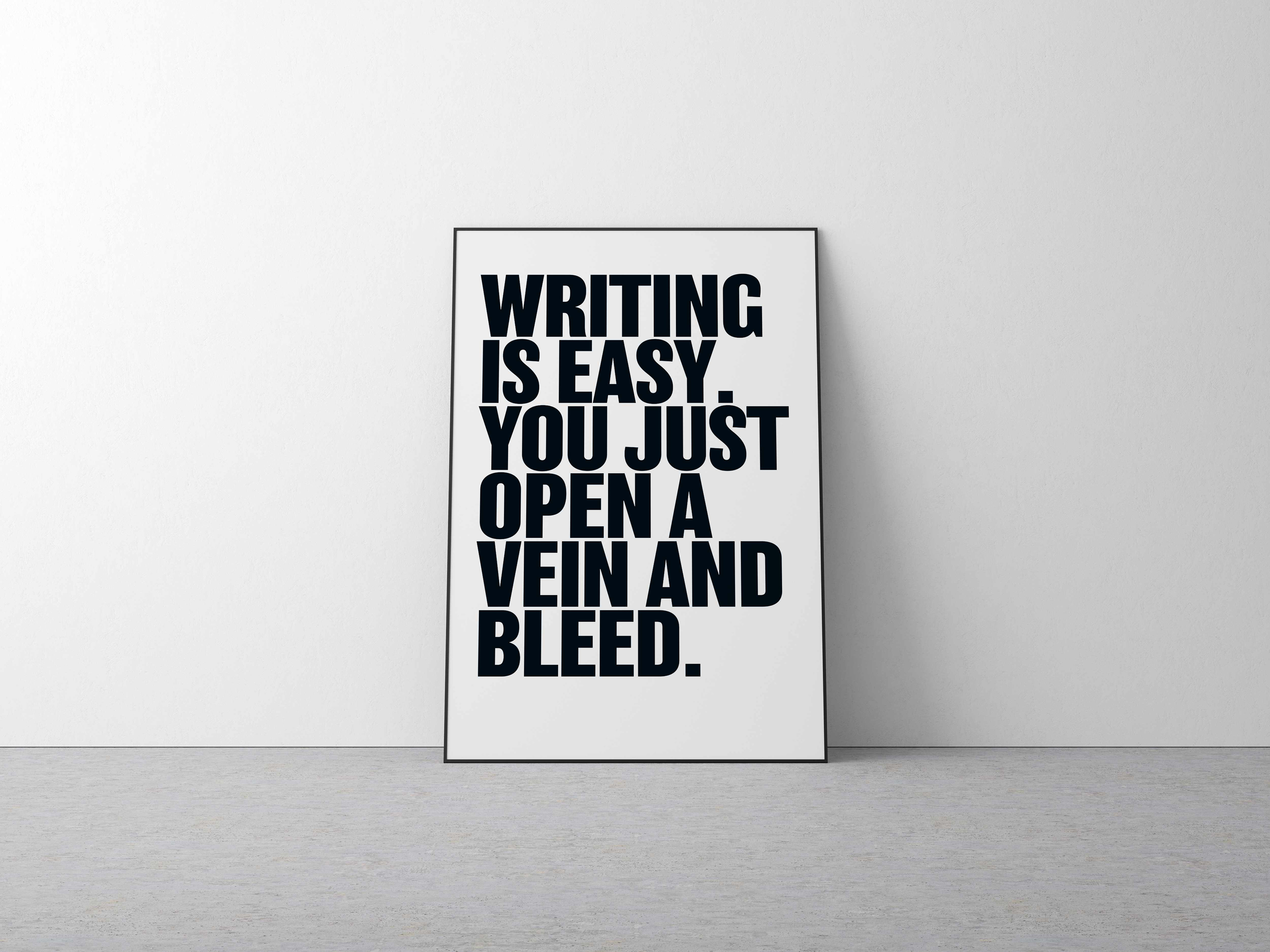
This quote is often associated with Ernest Hemingway, because it sounds so much like him. In fact, it originated with a sportswriter Hemingway used to read called Red Smith. As every professional writer knows, writing is a bloody business.