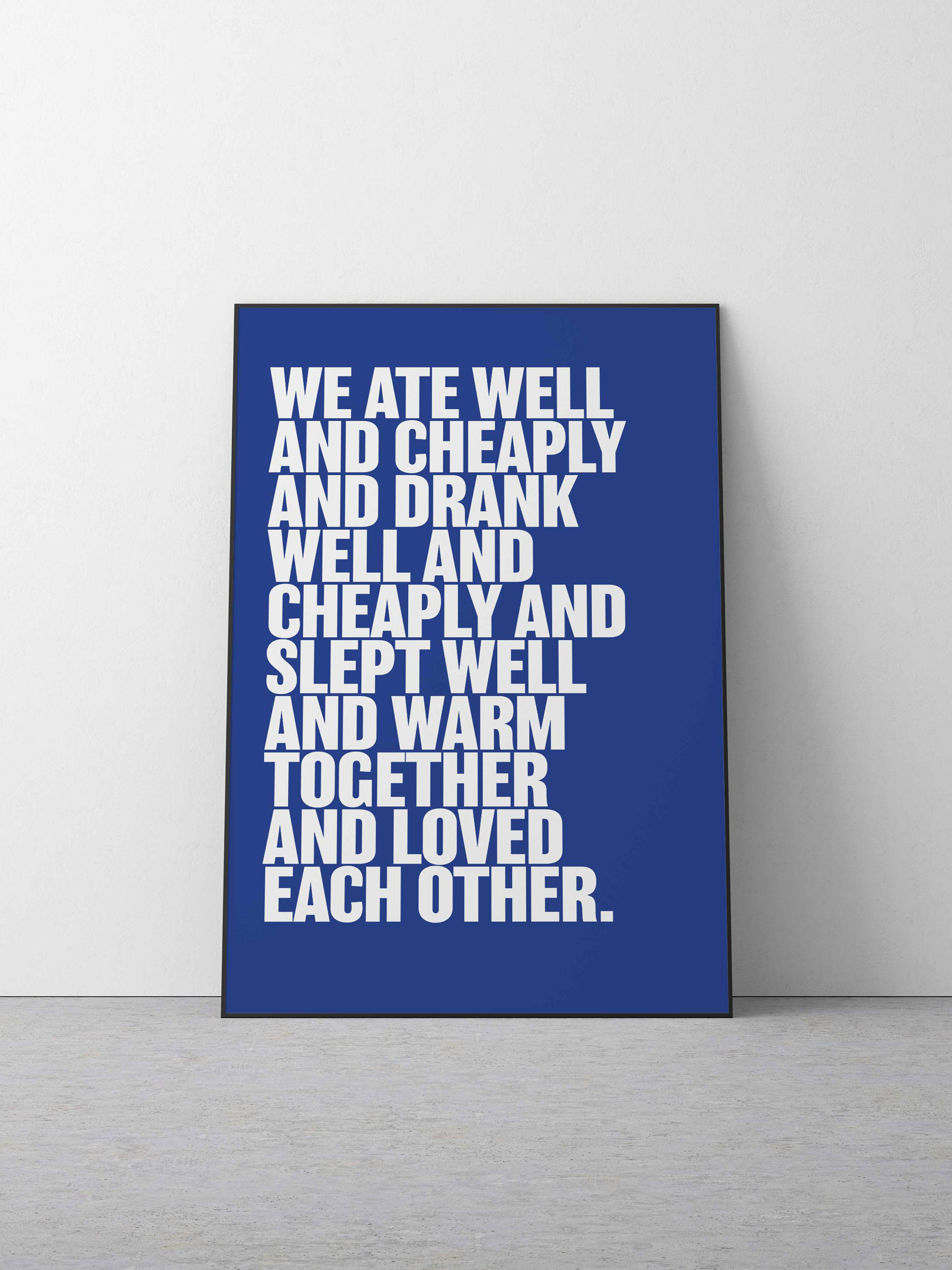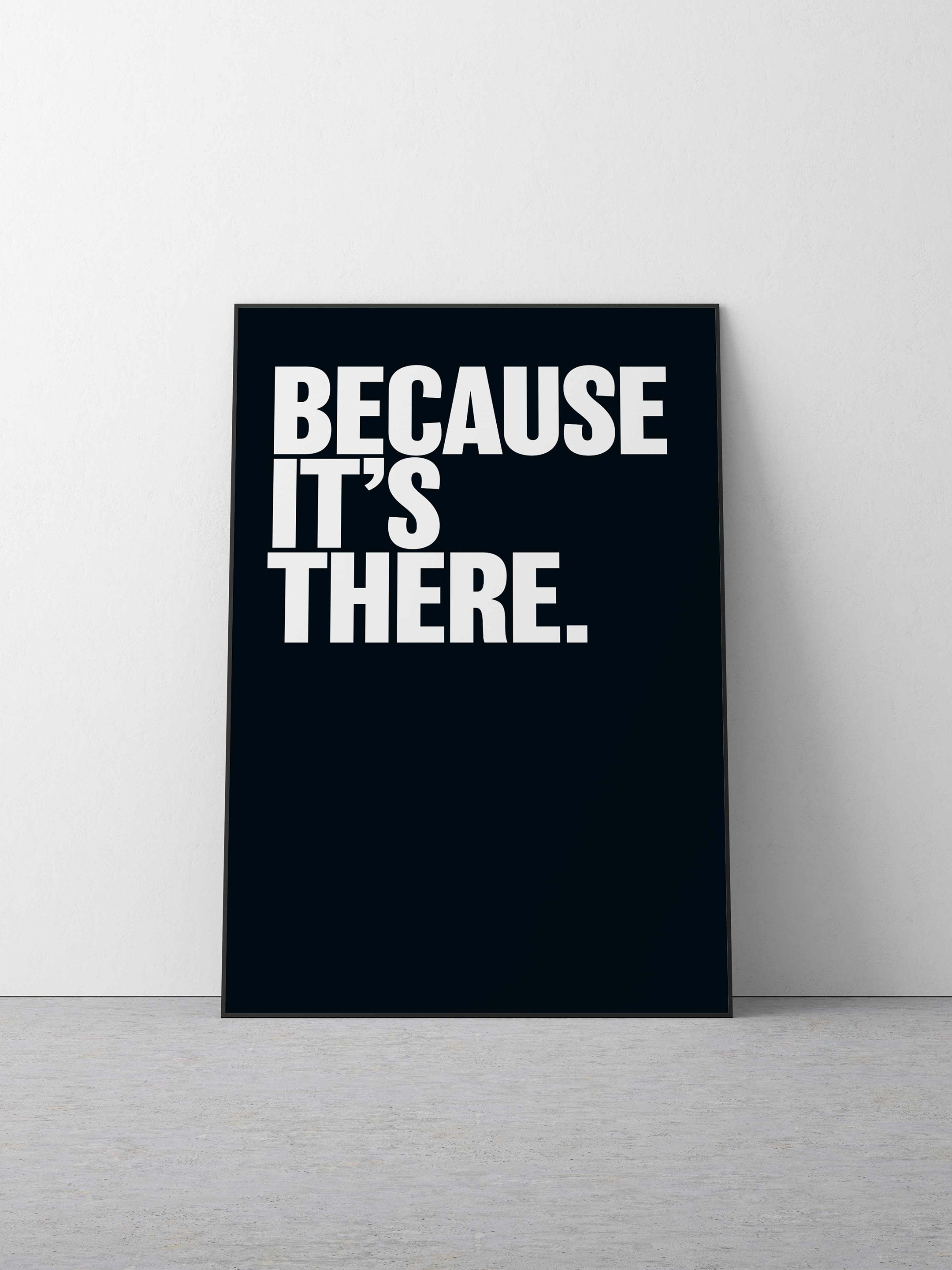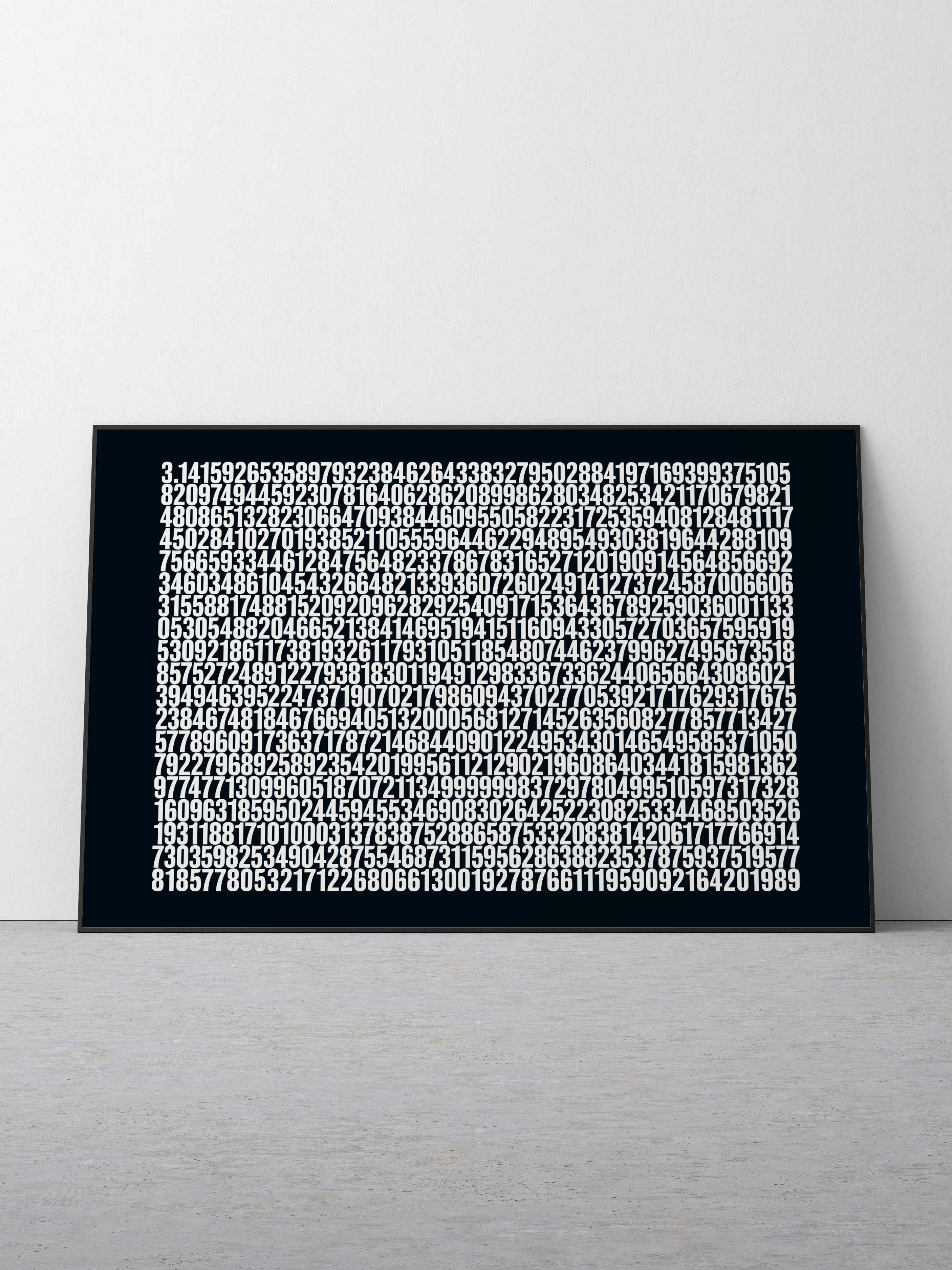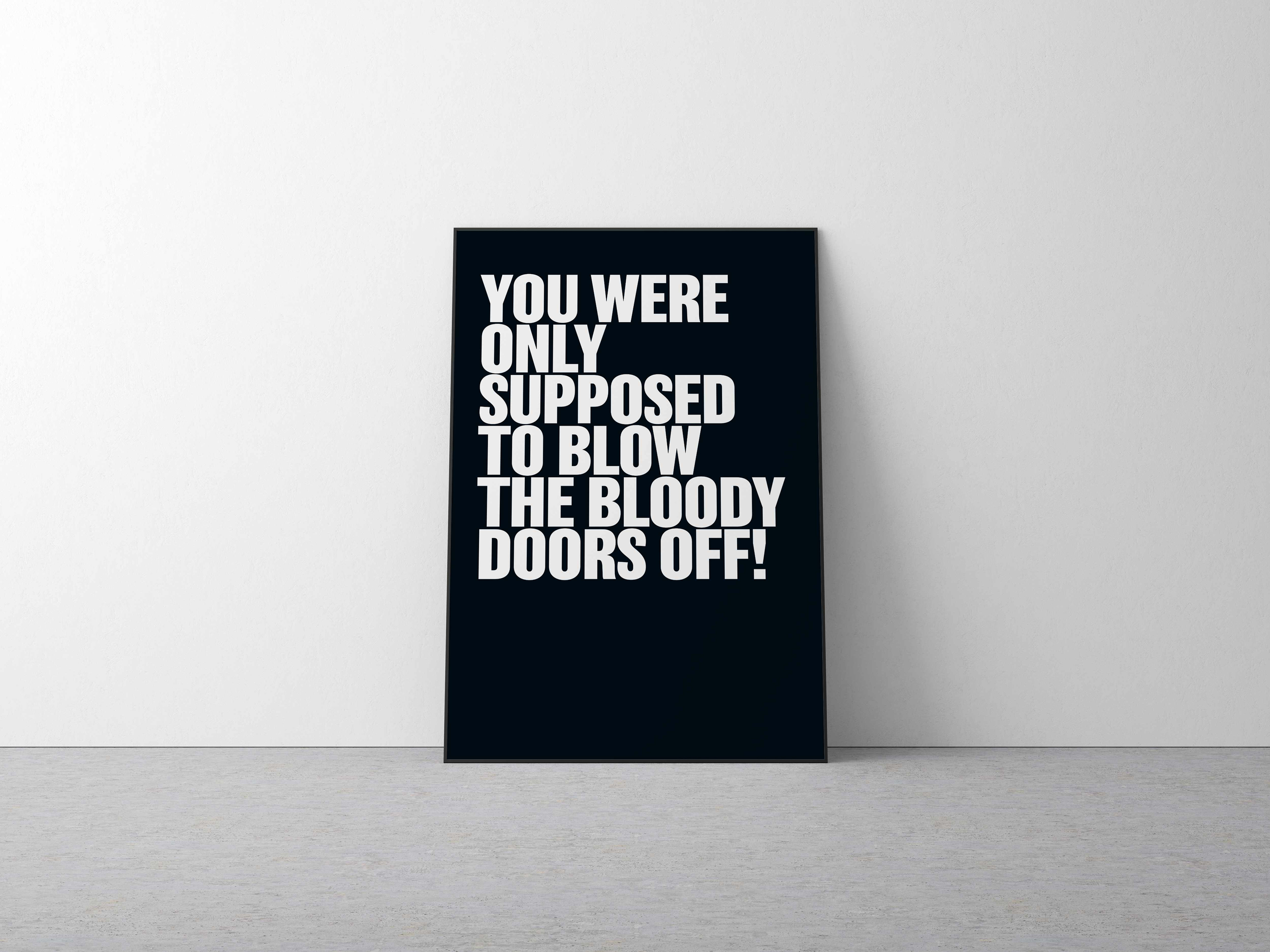
Michael Caine's exasperated outburst in The Italian Job is now part of British popular culture. It comes about when Campino, his explosives expert, massively misjudges the charge needed to blow open a bullion van. The screenplay was written by Troy Kennedy Martin, who also wrote the classic British TV series Z-Cars.
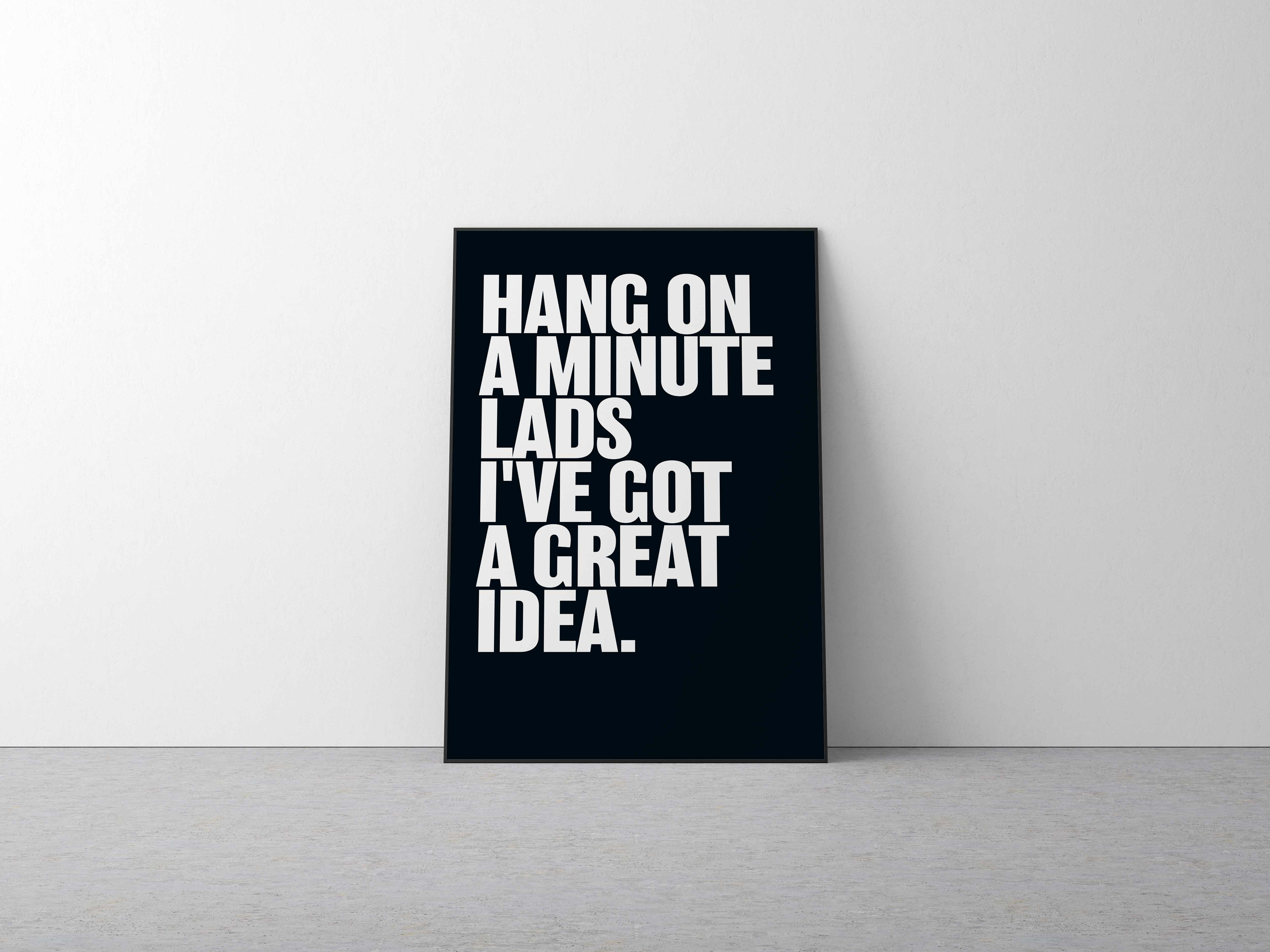
Another famous line from The Italian Job. Michael Caine's Charlie Croker pauses for one last thought, before one of British cinema's greatest cliff-hangers.
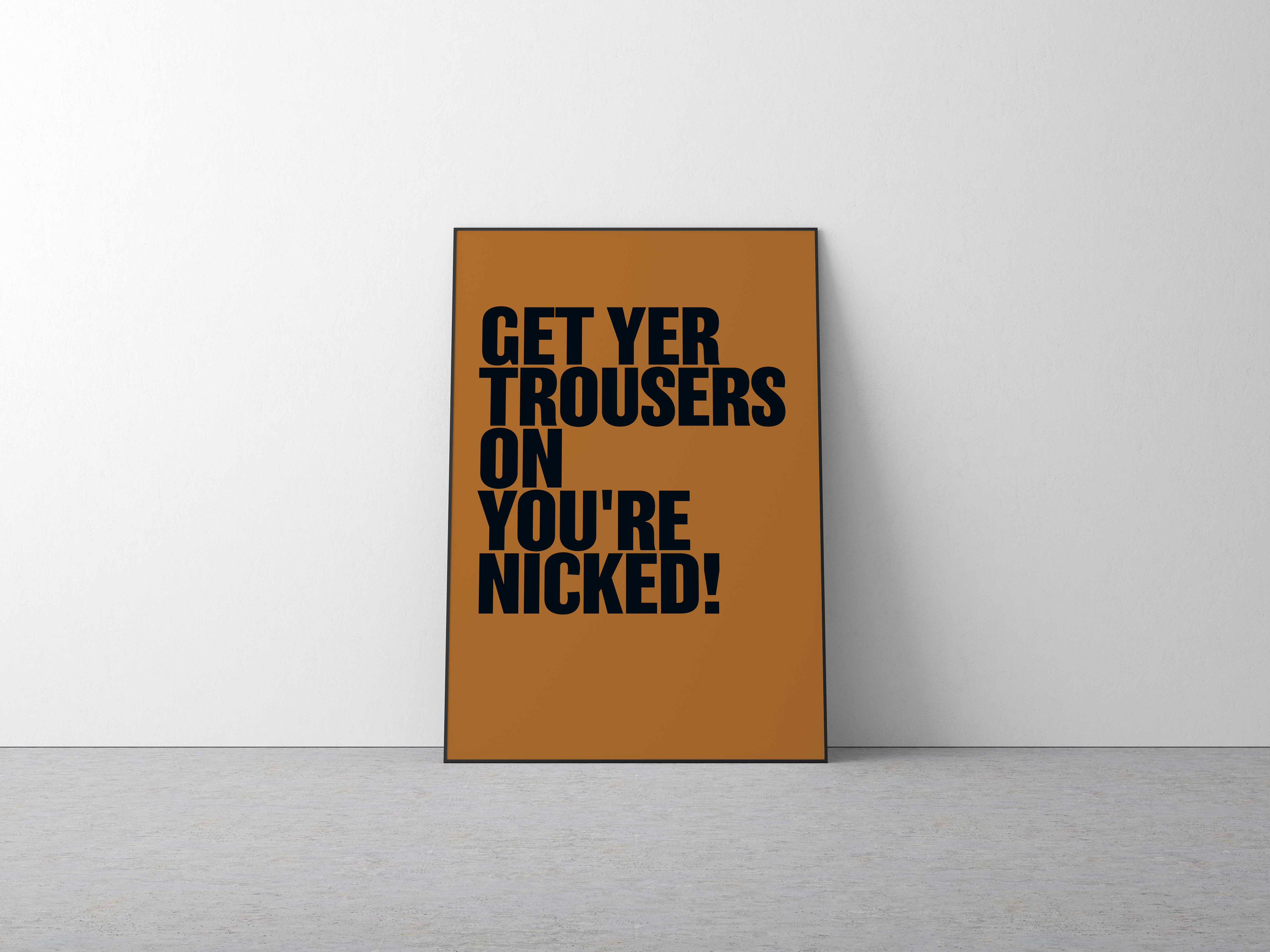
This was famously barked by Detective Inspector Jack Regan (John Thaw) in the 1970s British television police series The Sweeney. He actually only said it in the pilot episode ‘Regan’, but it will always be associated with his gritty character. The Sweeney was created by Ian Kennedy Martin, the brother of Troy Kennedy Martin.

This became Detective Inspector Jack Regan (John Thaw)’s catchphrase, always said with a snarl, in The Sweeney – the gritty 1970s TV series about the Met Police Flying Squad.

Kenneth Wolstenholme's immortal BBC TV commentary in the final few seconds of the 1966 World Cup Final, when England beat Germany 4-2 in extra time. ‘And here comes Hurst! He's got… some people are on the pitch! They think it's all over!’ (Geoff Hurst then scores again – a hat trick.) ‘It is now, it’s four!’
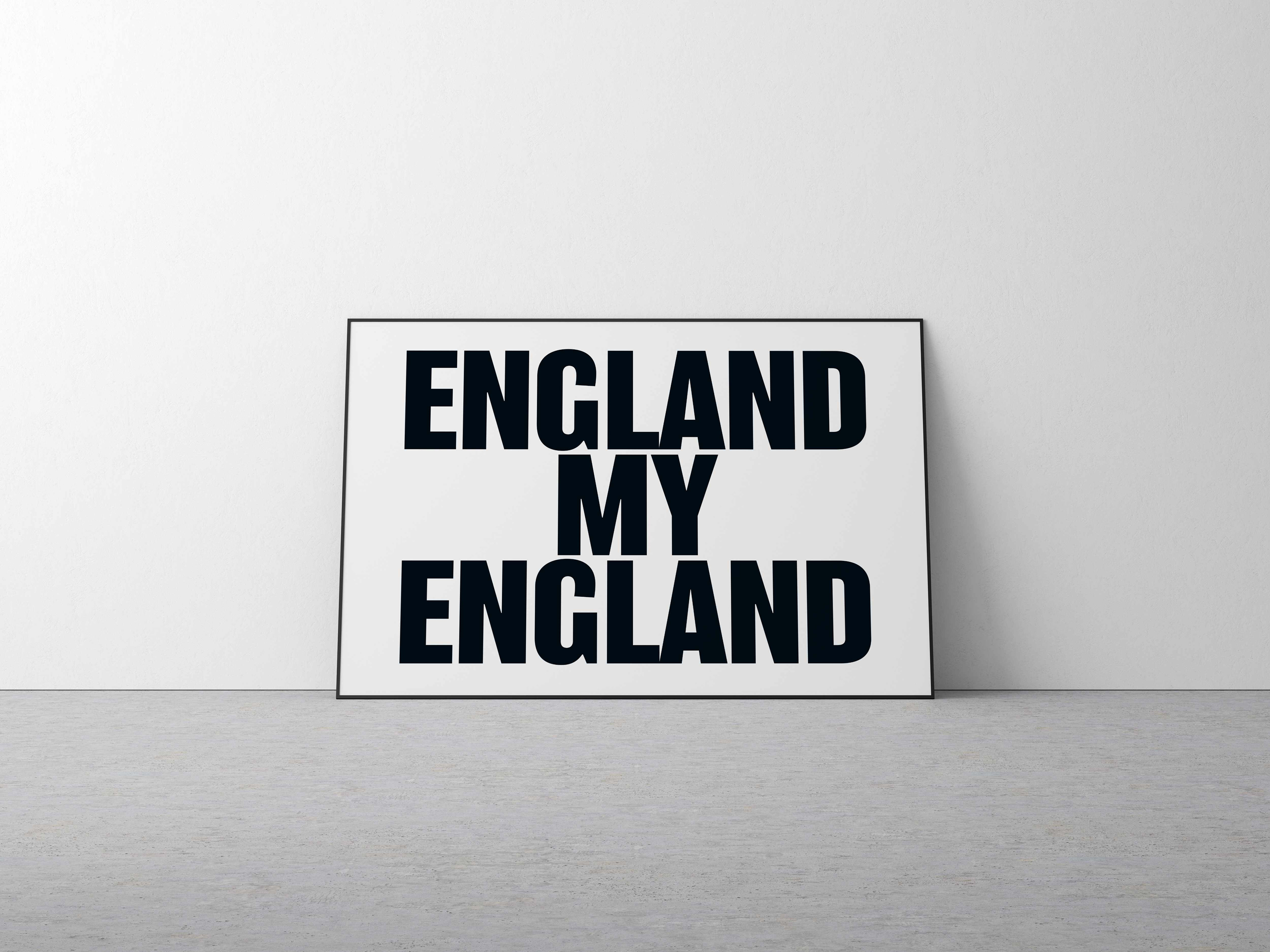
This phrase is from a poem by William Ernest Henley, who also wrote Invictus. It’s about the dream of England. In the words of Jan Morris: 'The gentle beauty of England’s countryside was part of it, and the grandeur of its history, and the humour that ran through its affairs, and the melancholy, and the ironic blend of right and wrong, and Shakespeare, and what people like me always fondly thought of as an essential kindliness.'

This is from the poem by William Blake, which became the English hymn Jerusalem. He hated the rational, soul-destroying industrial age, and believed we should fight against it. The bow and arrows are a metaphor for weapons to bring to the fight – art and beauty, love and passion.
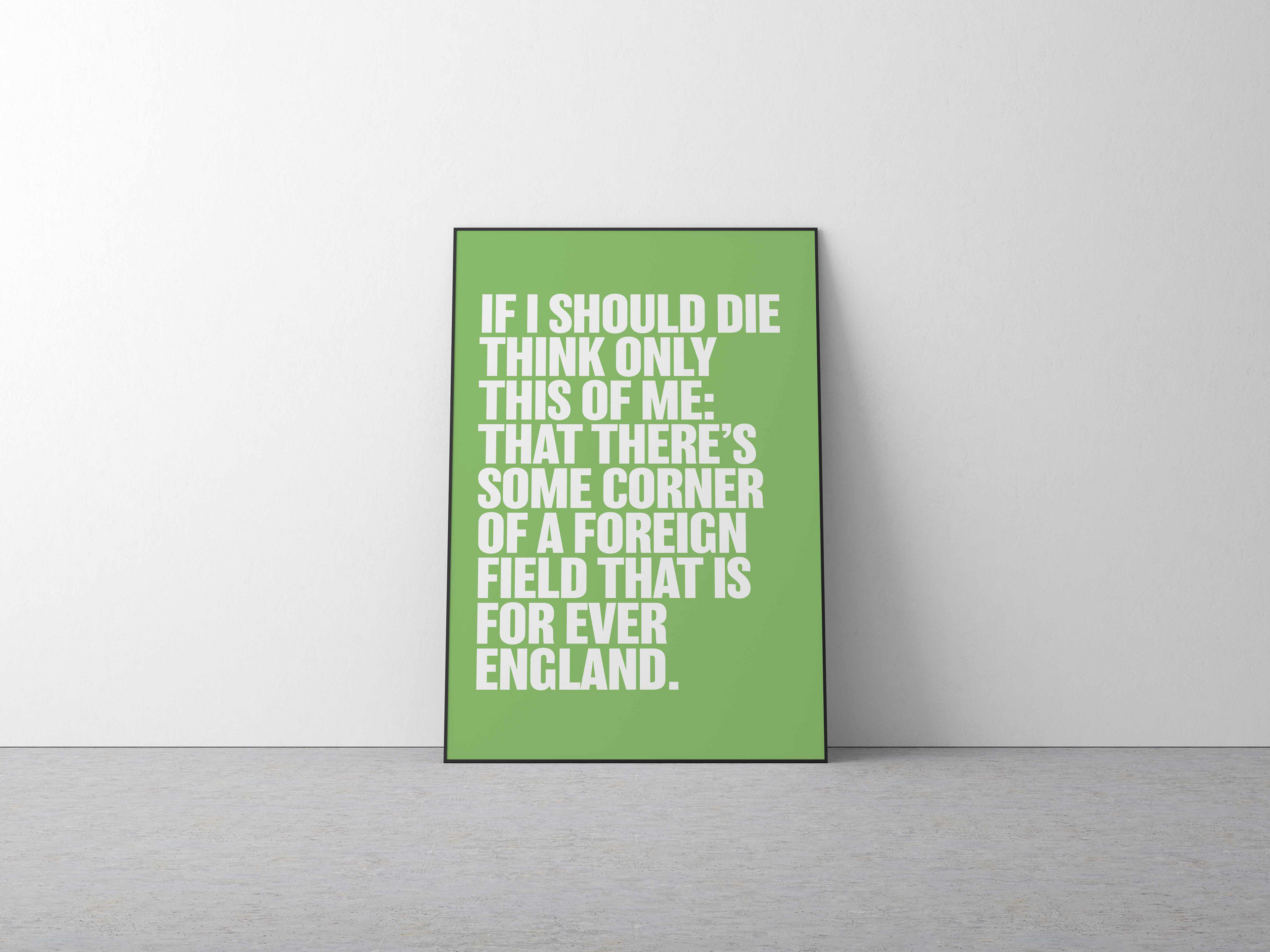
This is the famous opening line of Rupert Brooke’s poem, The Soldier. It was written while Brooke was on leave from the army at Christmas, in 1914. Brooke was an idealistic figure. According to the poet W. B. Yeats, he was ‘the handsomest young man in England.' He died the following year on board a hospital ship in the Aegean.
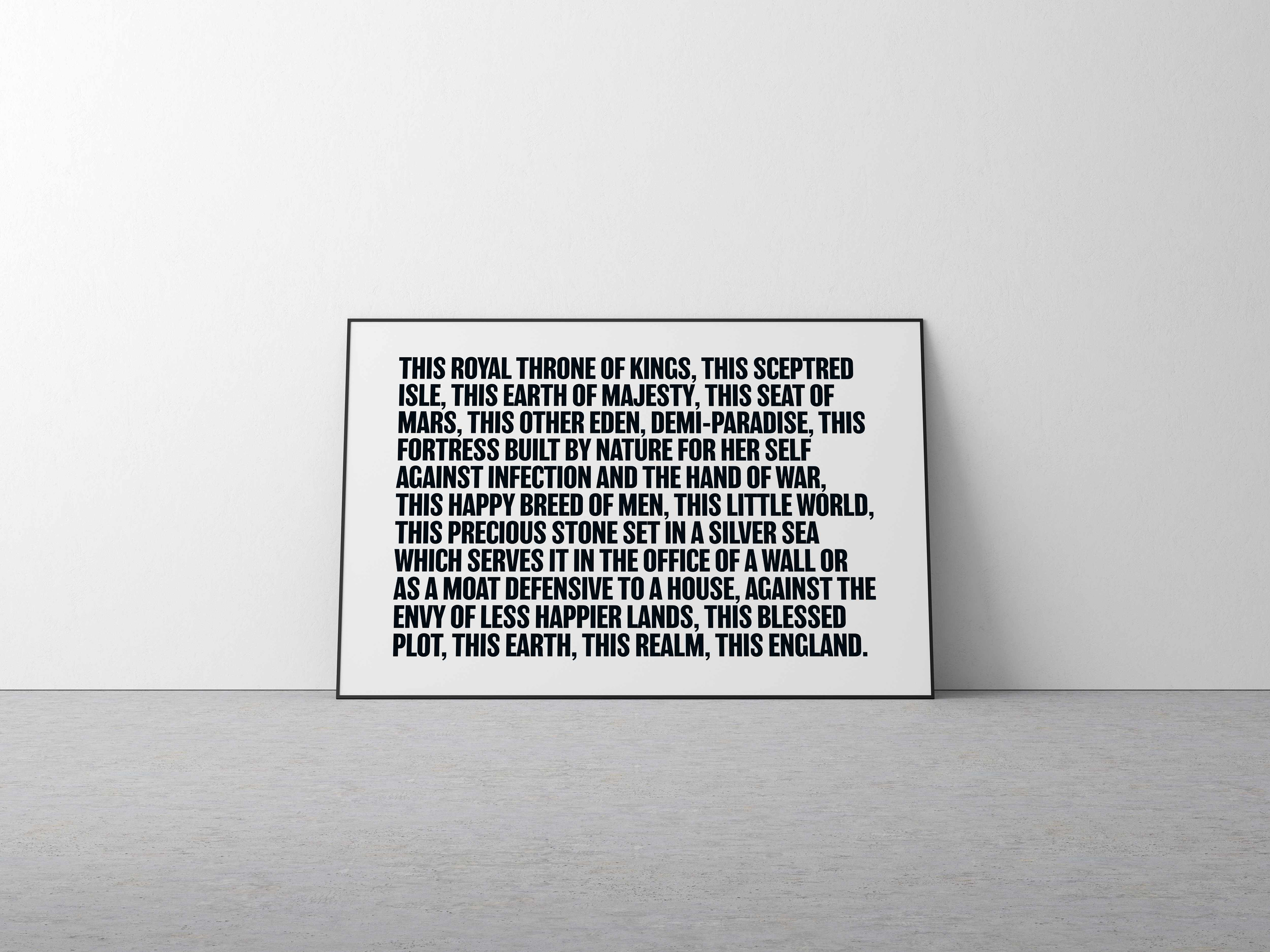
The dying John of Gaunt expresses his love of England in Shakespeare’s Richard II. This is the first half of the speech – the positive half. In the next, he rebukes the King for poor leadership and reckless spending which is destroying the country.
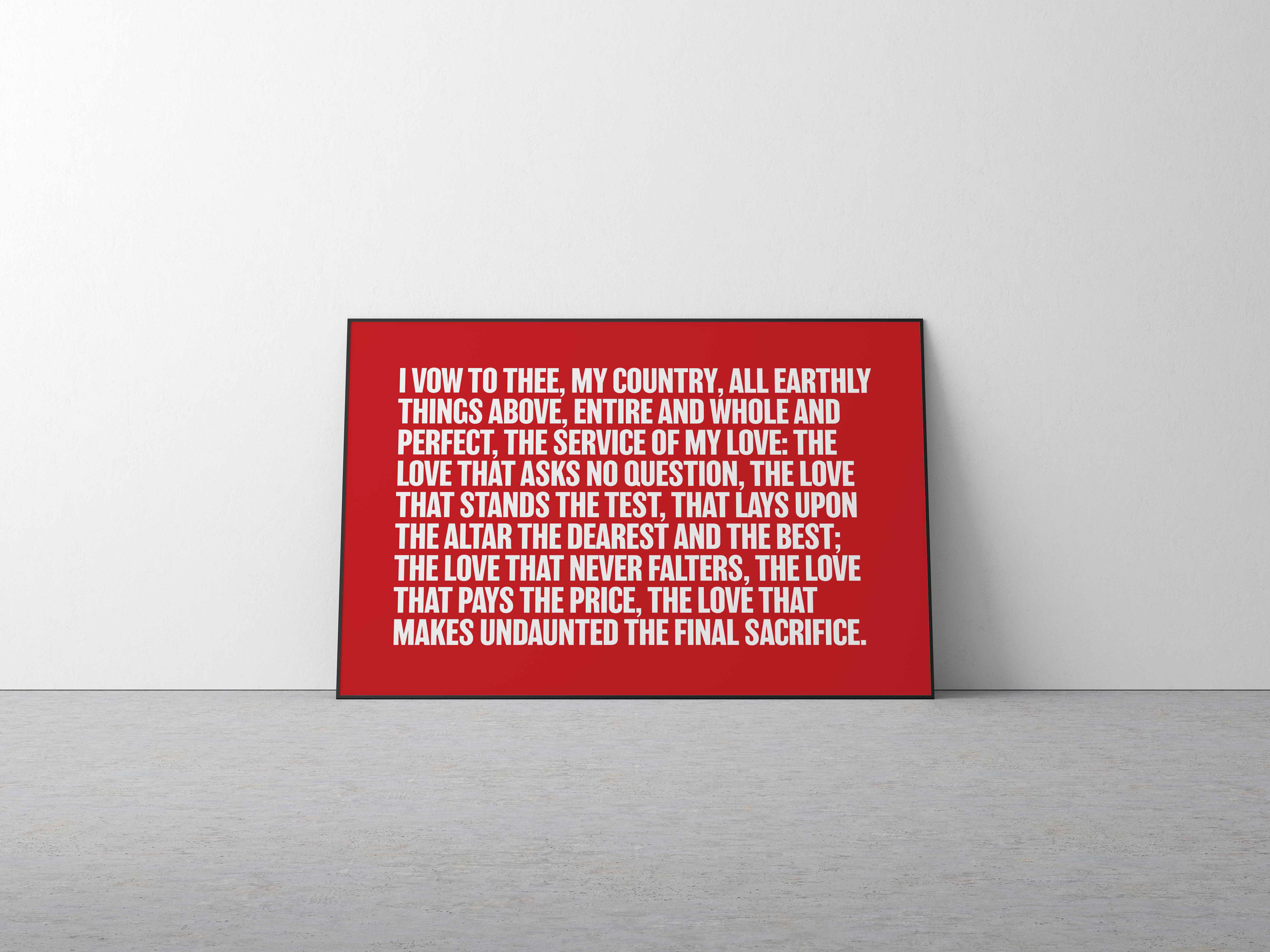
A beautiful expression of patriotism, this is from a hymn written by Sir Cecil Rice, who was the British Ambassador to the US during WW1. The hymn is often sung at British state events. It is sung every year on Remembrance Day. It was sung at Winston Churchill's funeral, at Prince Charles's wedding to Diana, Princess of Wales, and at her funeral.
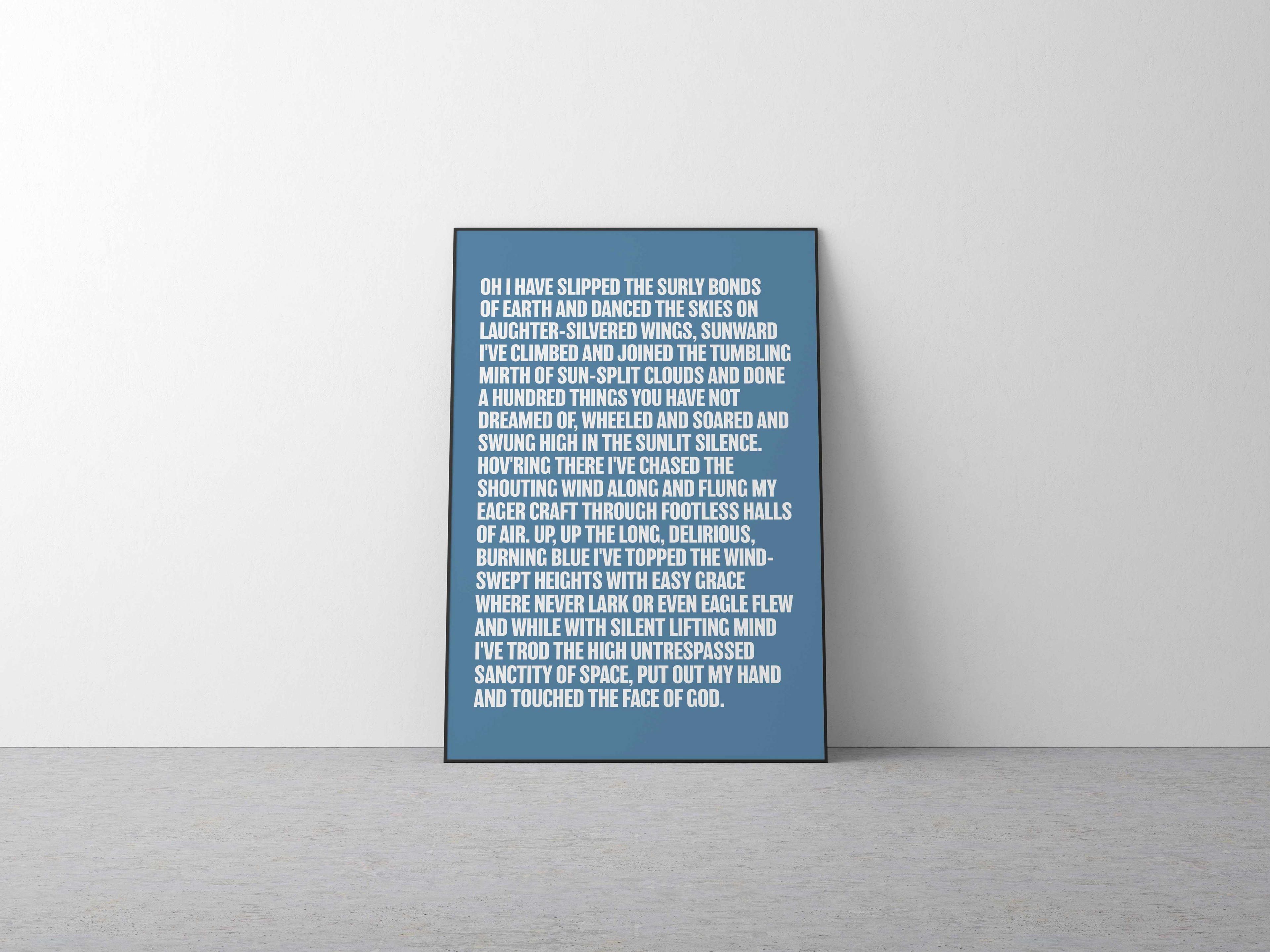
The famous aviators’ poem, written in 1941 by Pilot Officer John Gillespie Magee Jr., an Anglo-American Spitfire pilot who served with the Royal Canadian Air Force in WW2. Three months after writing this, Magee was killed in a mid-air collision over Lincolnshire, aged 19. Today this is the official poem of the RCAF and the RAF, and it has to be recited from memory by cadets at the USAF Academy.
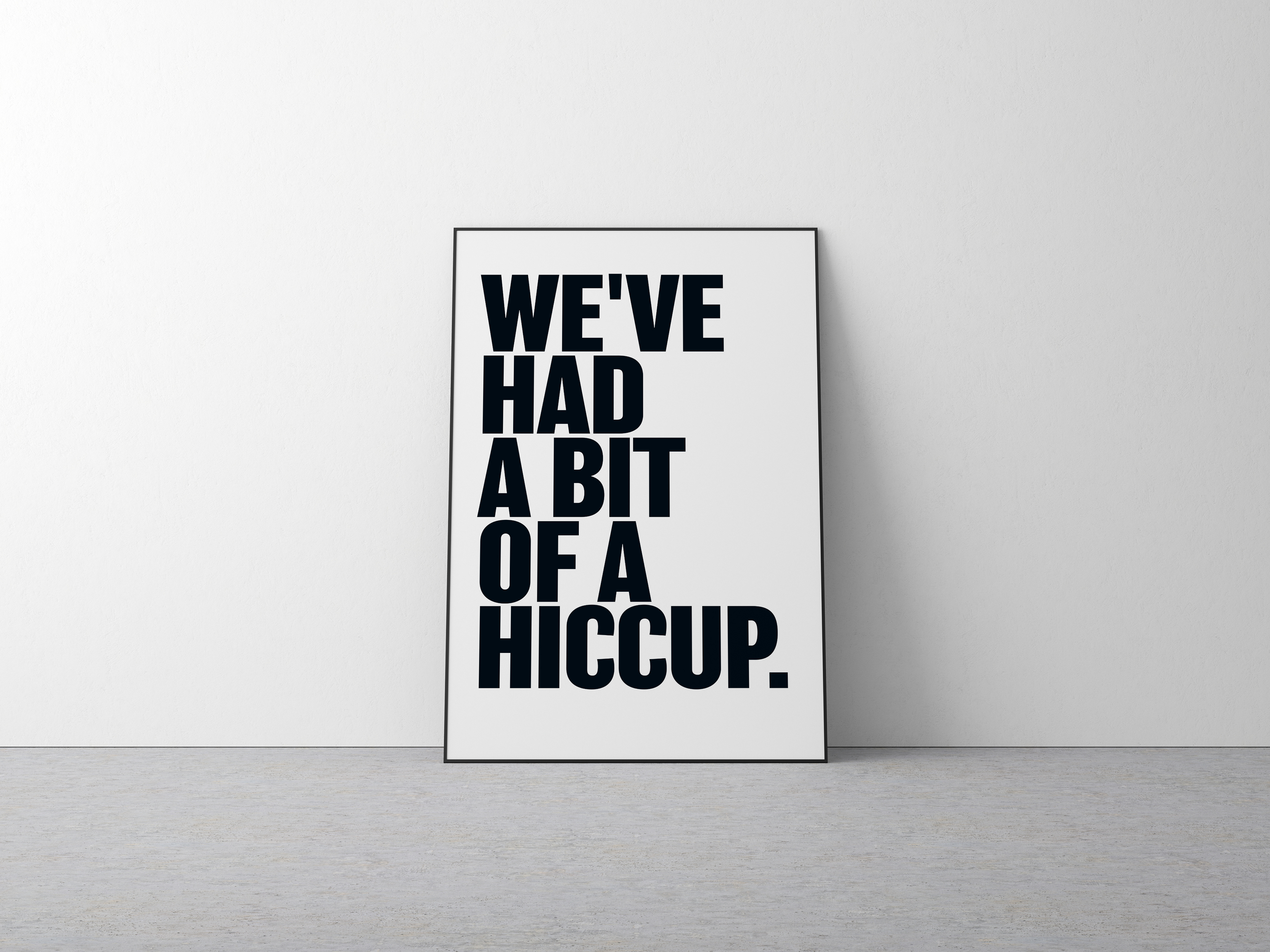
Classic British understatement. This means something has gone spectacularly wrong. A catastrophic mistake has been made. There’s been a massive disaster. The engines are on fire. The ship is sinking. The building is about to explode. That sort of thing.