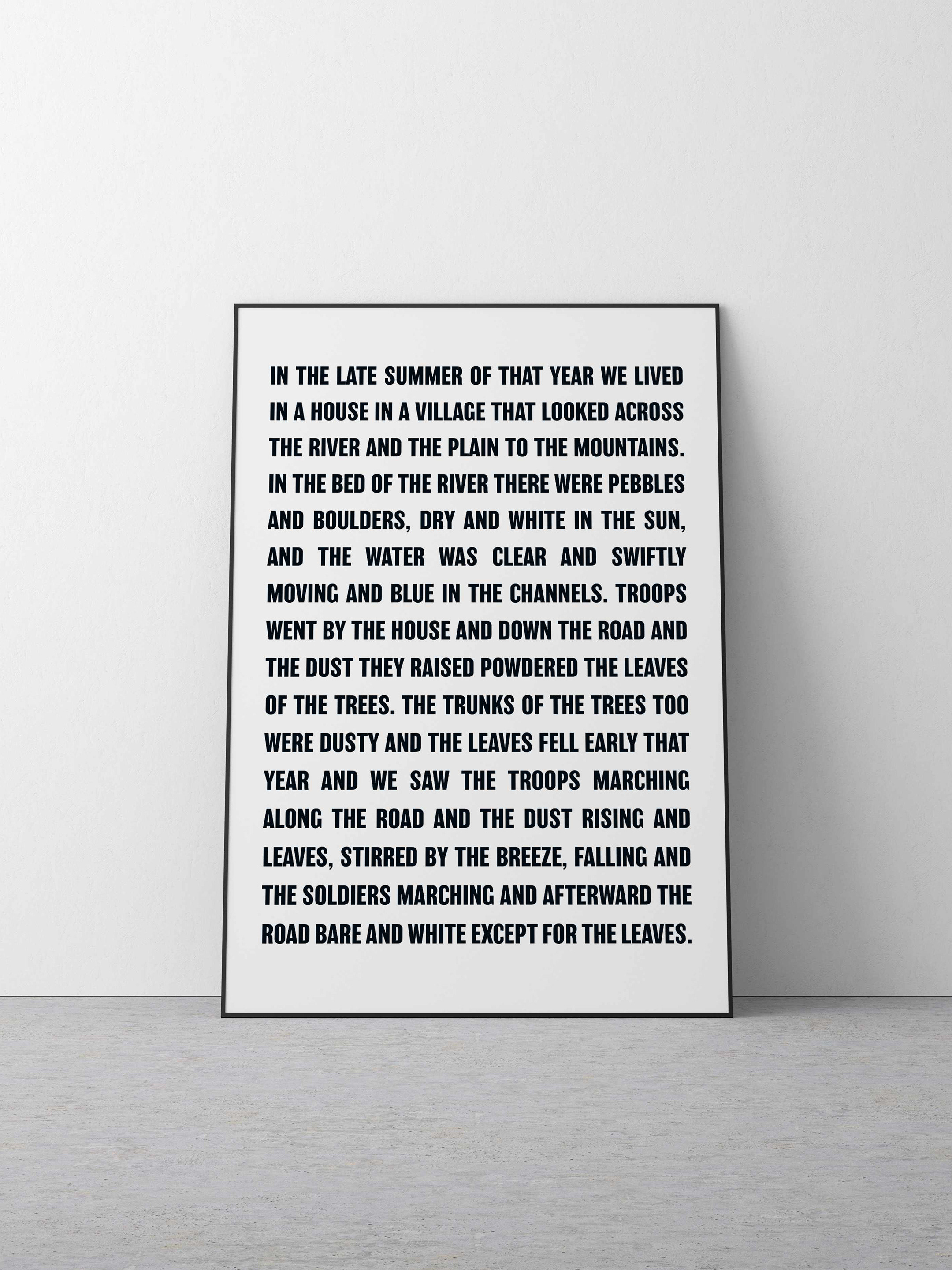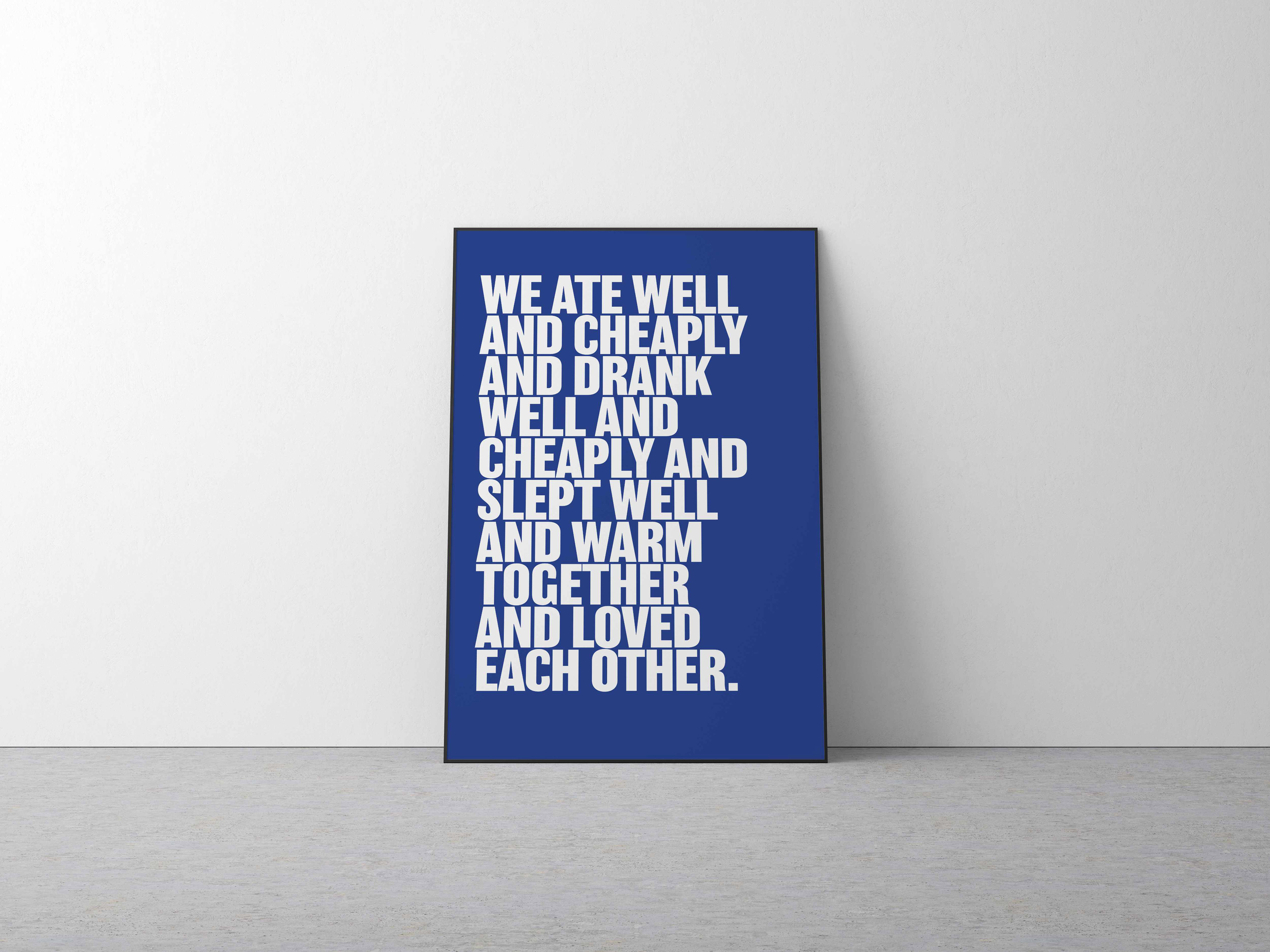
This is from A Moveable Feast, Ernest Hemingway’s memoir of living in Paris with his first wife, Hadley, and their young son. He captures something we forget as we grow older: money doesn’t matter much, so long as you have people you love. In true Hemingway style, there are six ‘ands’ in a single sentence. Classic.
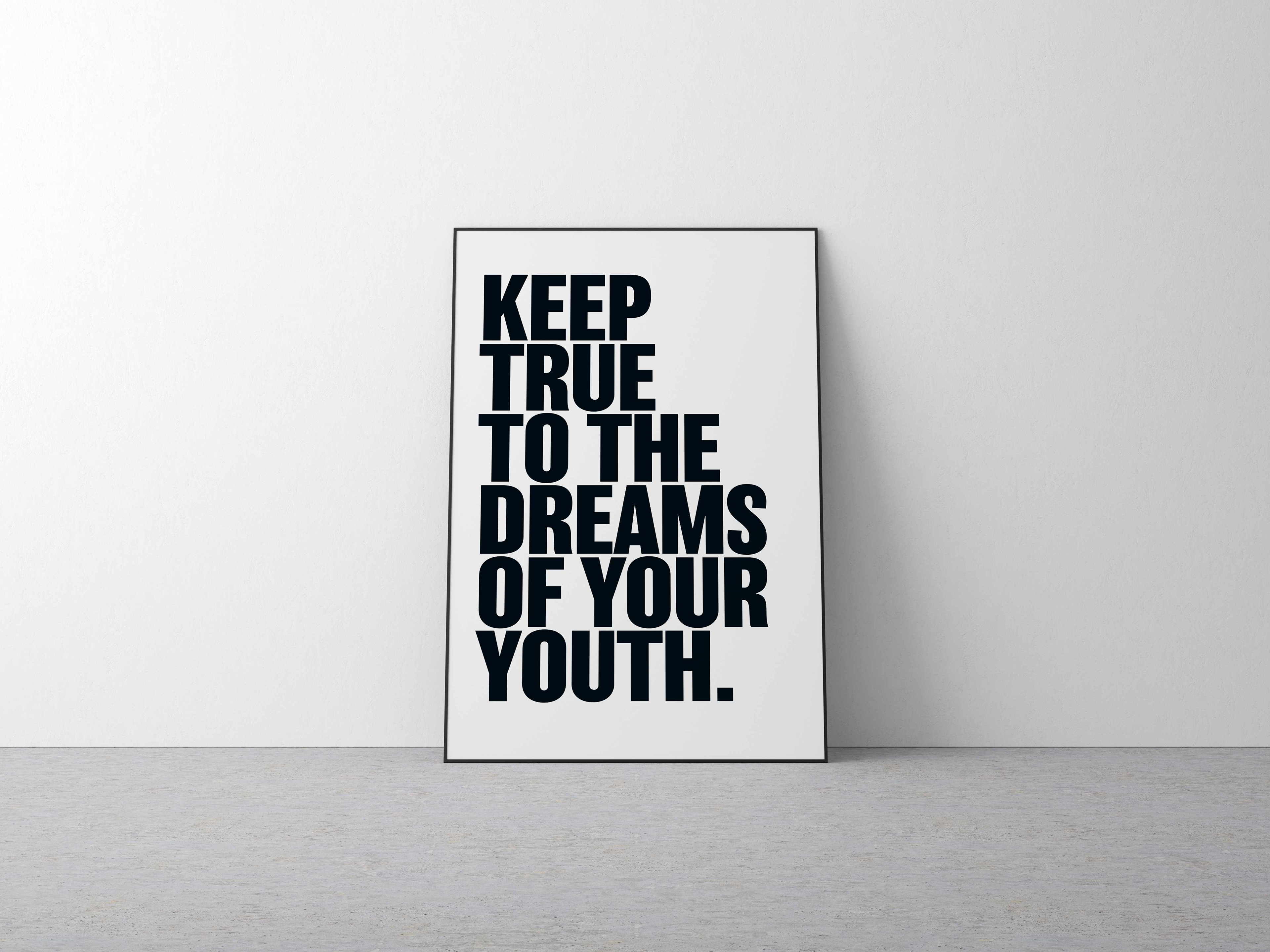
The line is from the German writer Friedrich Schiller. It was later echoed by Joseph Conrad in his autobiographical short story, Youth. Hermann Melville (who wrote Moby Dick) kept the line pasted on his writing desk. All of them believed that as you grow older, you should never abandon the ideas and ambitions that first inspired you.
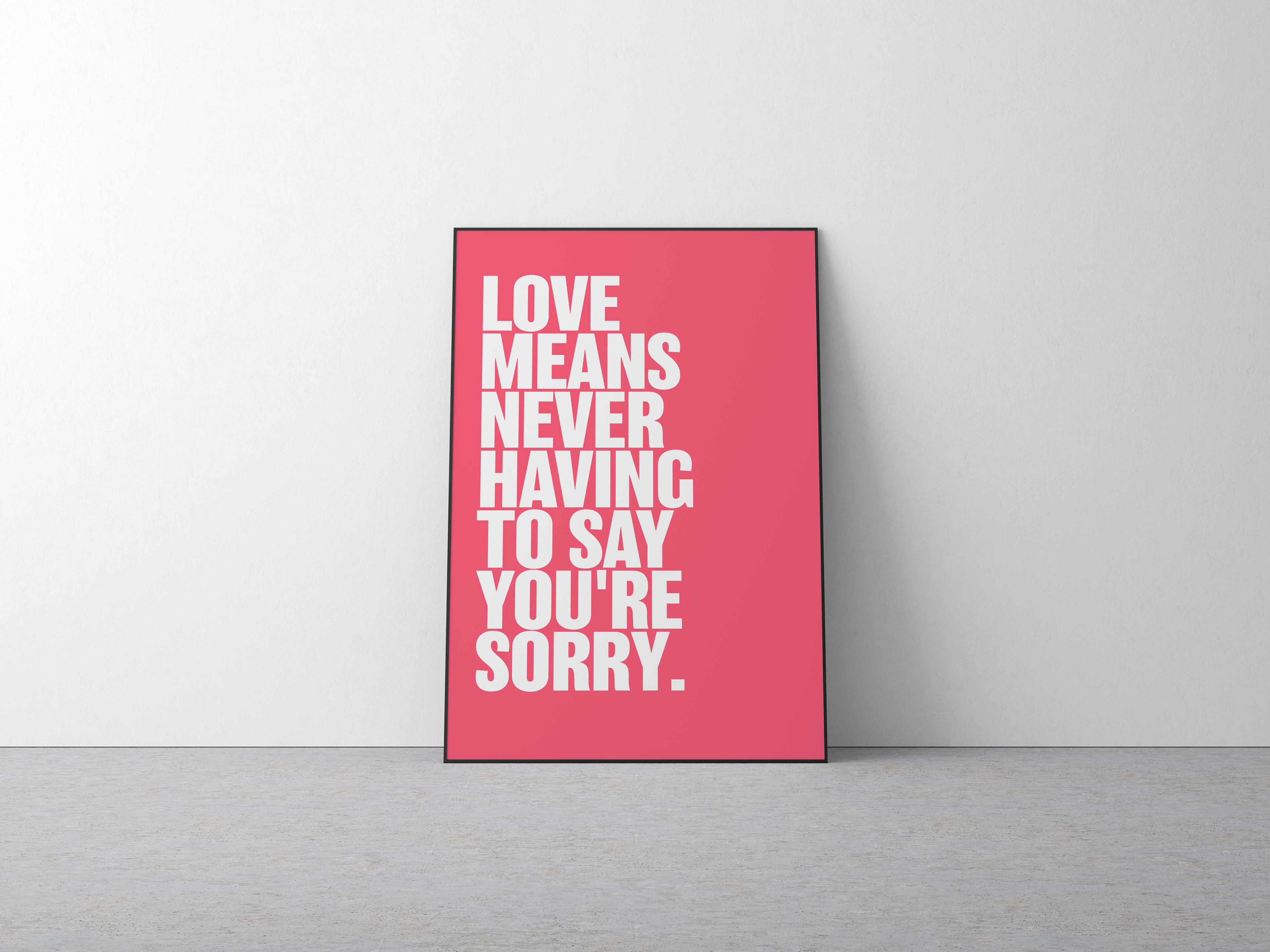
The most famous line from Love Story, the 1970 film with Ali McGraw and Ryan O’Neal. It became a 1970s meme. The screenwriter Erich Segal said he was baffled by its popularity. Ali McGraw said the line was a ‘crock’. But people loved it as a relationship mantra.
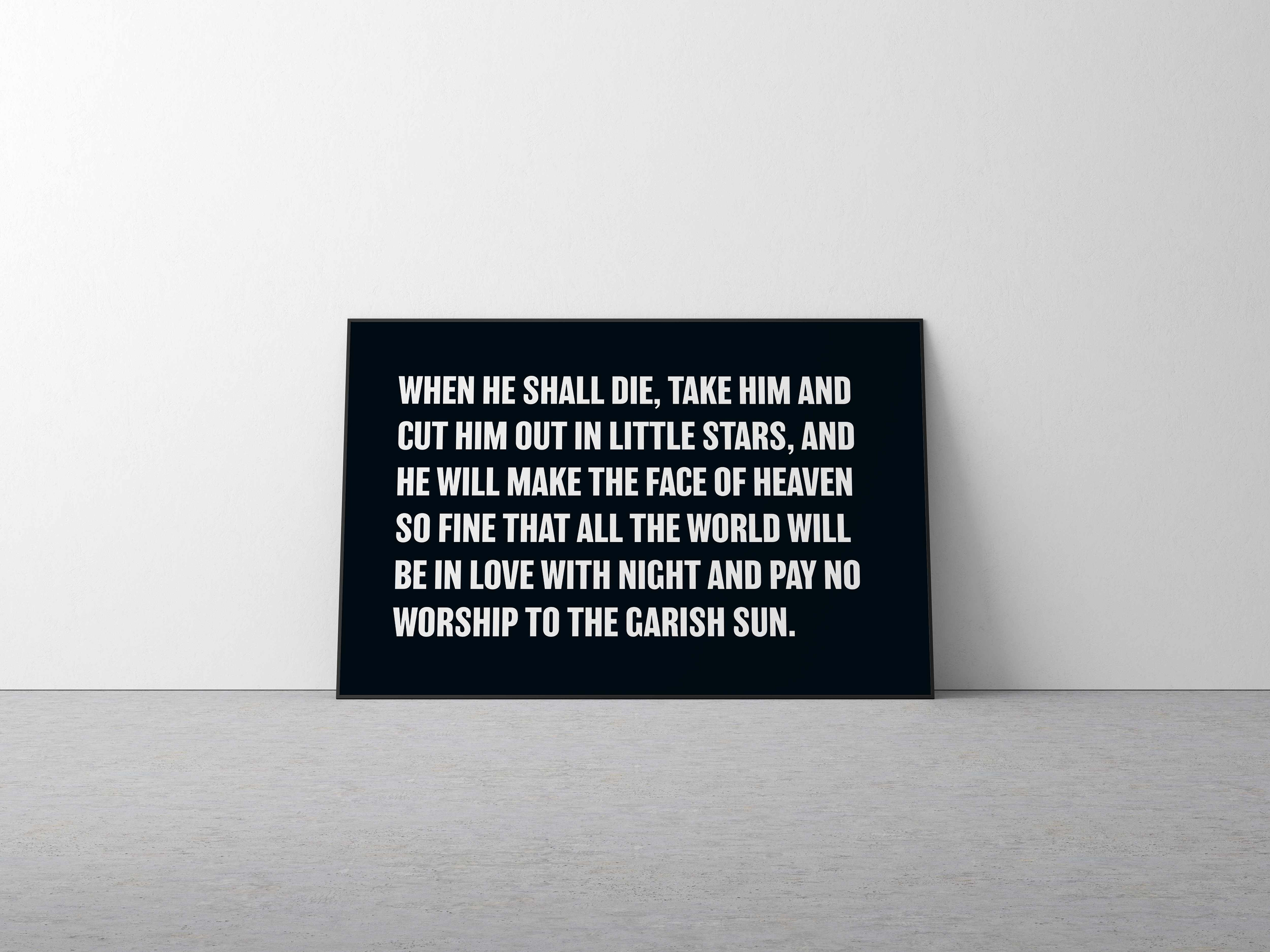
This is Shakespeare’s extravagant expression of romantic love, from Romeo and Juliet. Juliet imagines Romeo transformed into stars after his death, making the night so beautiful that people lose interest in the 'garish' Sun.
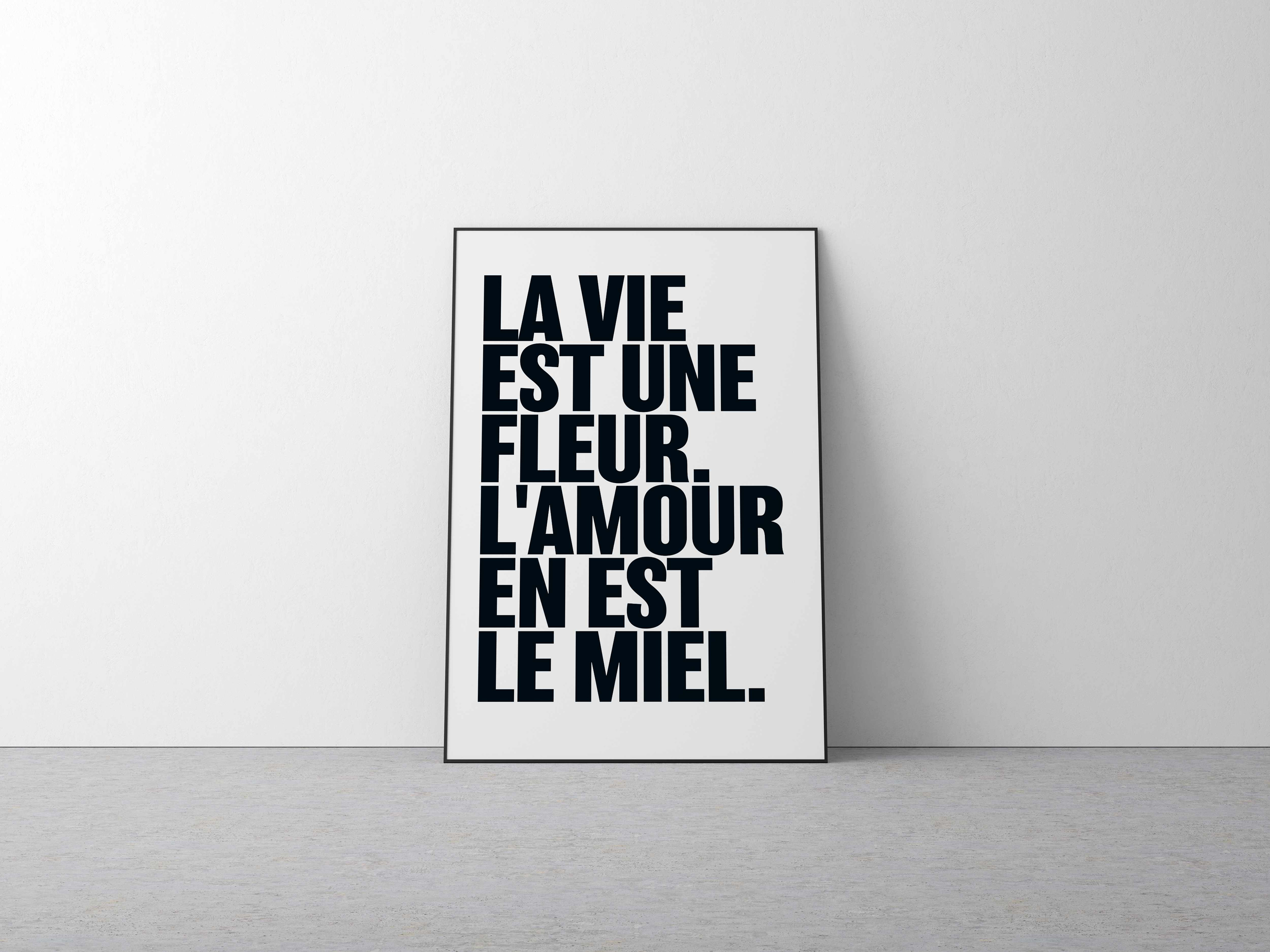
A line from Victor Hugo meaning ‘Life is a flower and love is the honey’. It sounds beautiful and romantic in French. In fact, it has to be in French. The same idea sounds soppy and saccharine in English!
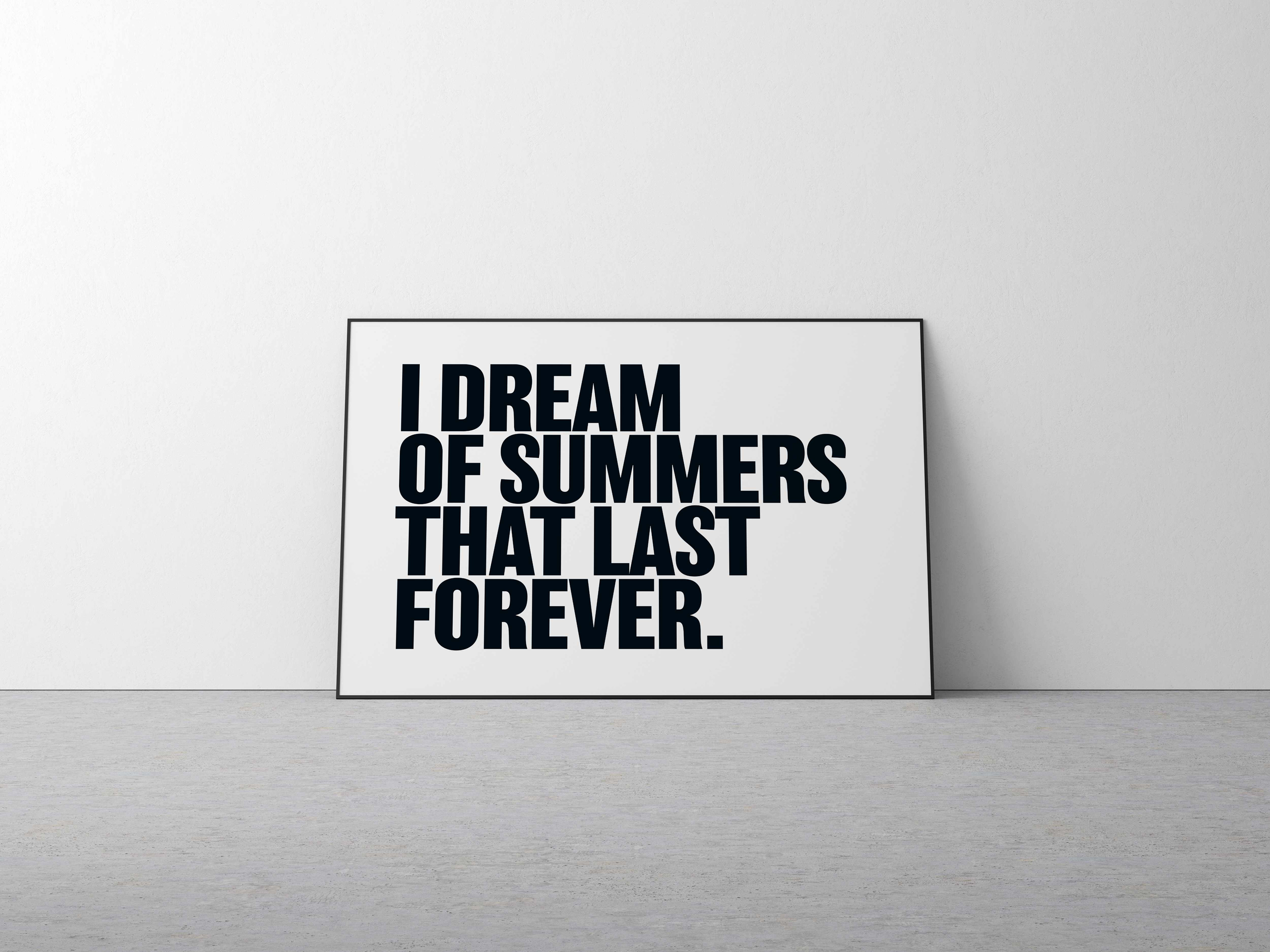
This beautiful line is from a poem by René-François Sully Prudhomme. In French, ‘Je rêve aux étés qui demeurent toujours’. It expresses a deep longing for a world where joy and love and beauty never fade.

This headline comes from something Amy Winehouse said in an interview: ‘I'm romantic. I fall in love every day. Not with people, but with situations. The other day, I saw a tramp polishing his shoes. That just gripped my heart.’
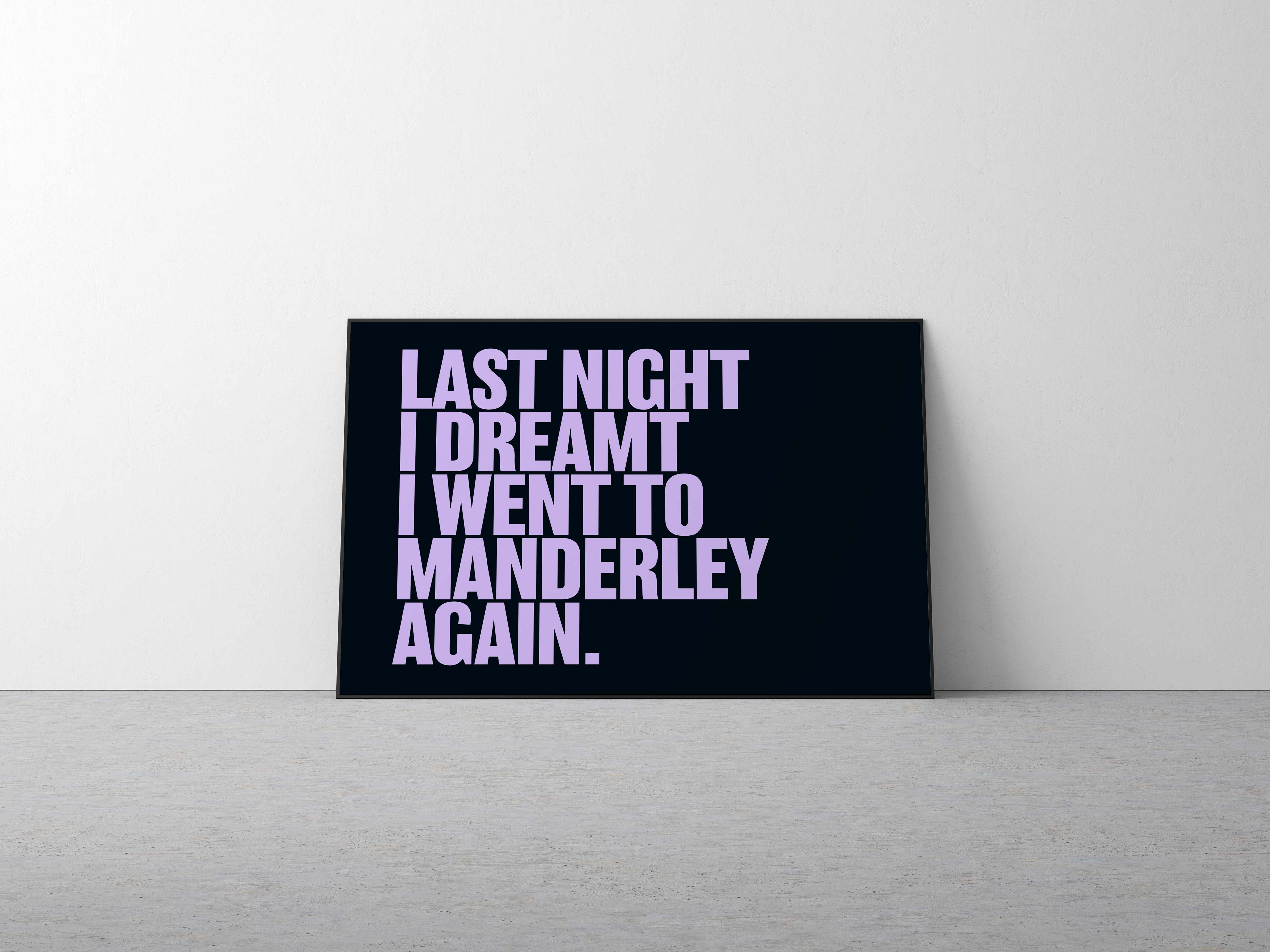
One of the great openings in literature, this is the first sentence of Daphne du Maurier's Rebecca. The novel begins with a dream of returning to the great house of Manderley in Cornwall – a haunting, dreamlike place, with a lost, mysterious past.
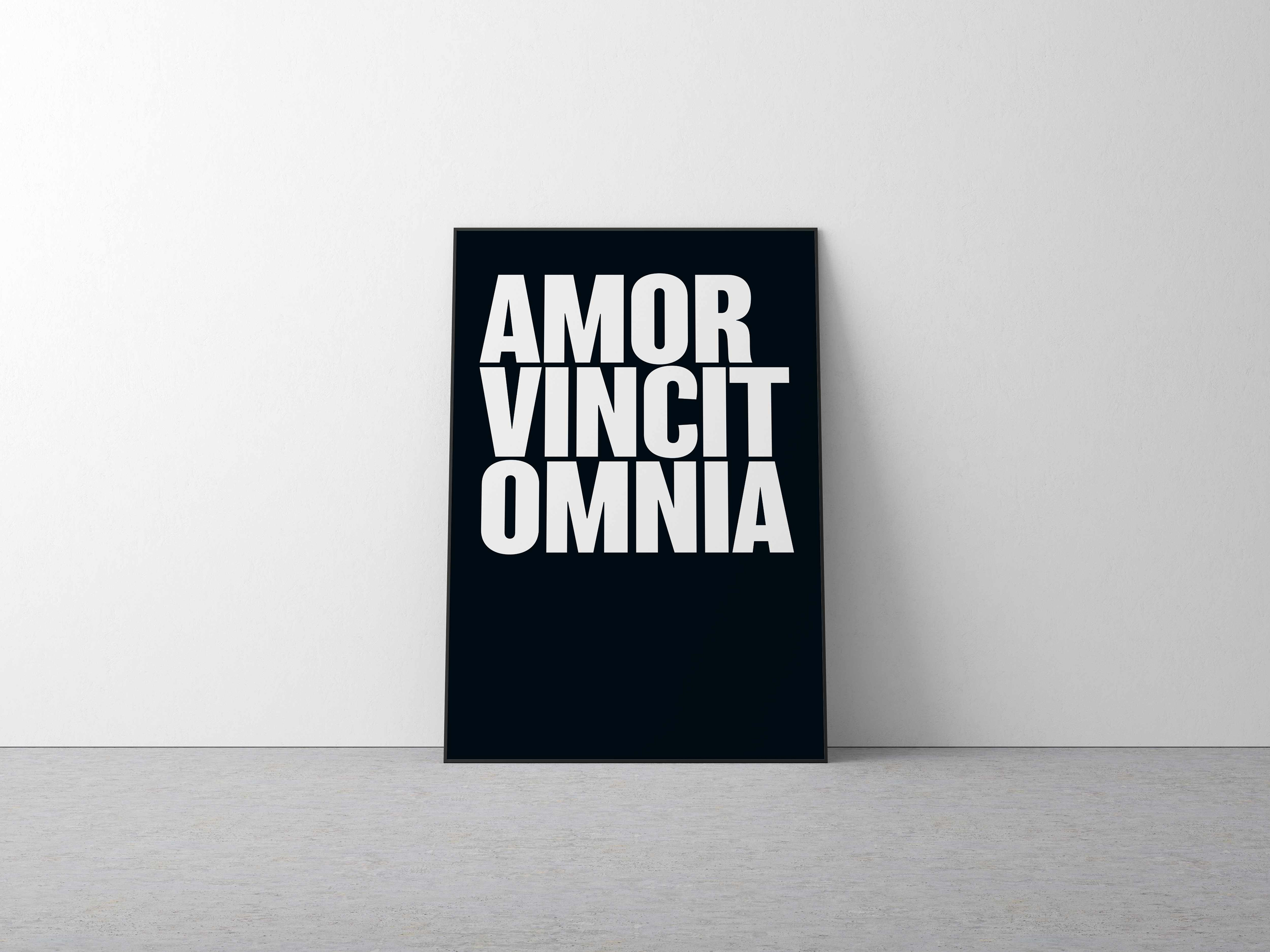
'Amor vincit omnia' (love conquers all) comes from a poem of 37 BC by the Roman writer Virgil. His original meaning was that love is irresistible. In the poem, Gallus has fallen in love and must accept he is helpless against it. Today the meaning has changed slightly. It's more about the power of love to overcome. Love always prevails.
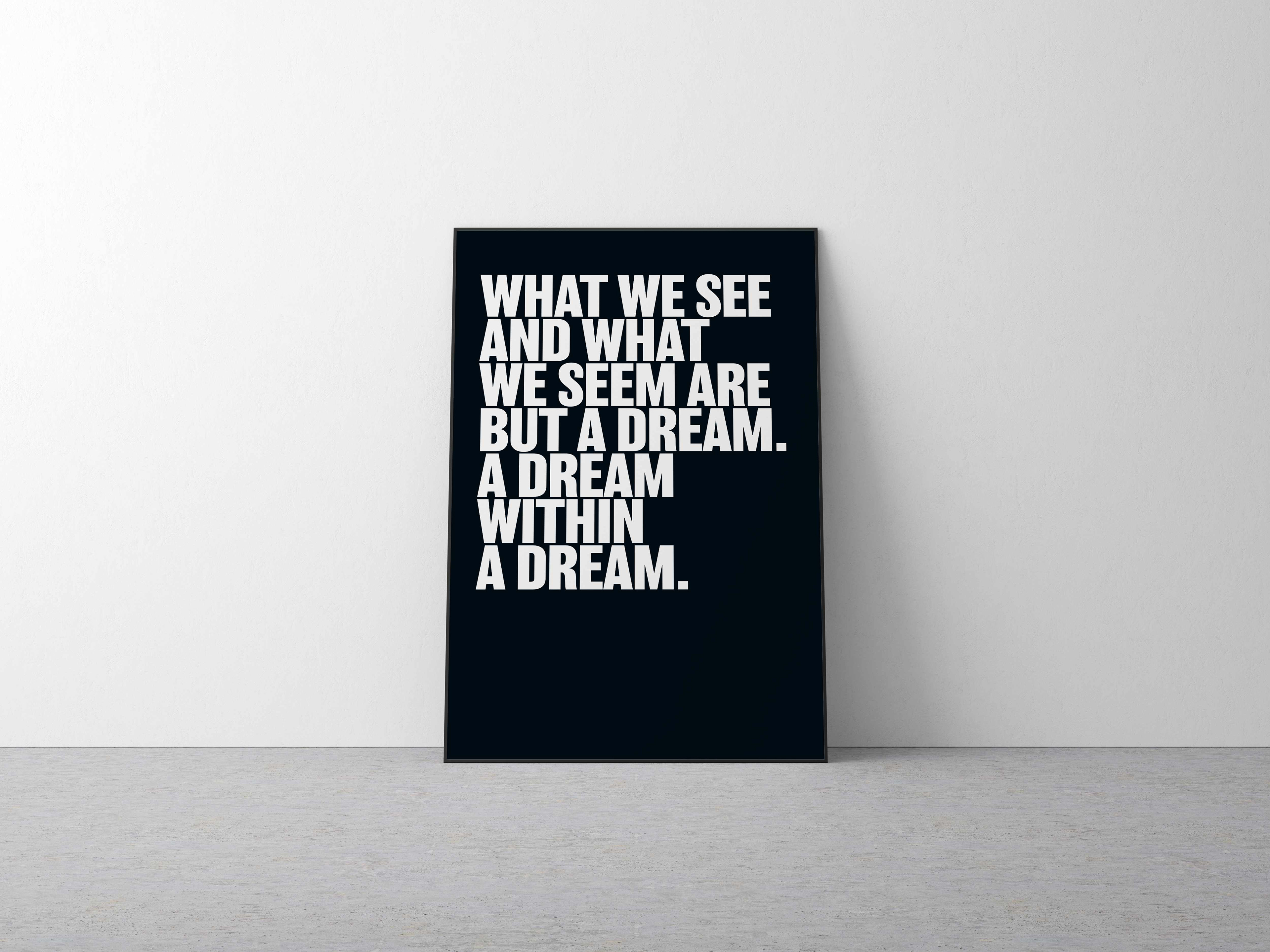
These words are from Edgar Allan Poe's haunting poem 'A Dream Within A Dream' about the illusion of reality. In Peter Weir’s film Picnic at Hanging Rock, they are spoken by the character Miranda. They set up the hypnotic, ethereal mood of the story, where time and reality and imagination blur into one another.